Sandy Hills, UT · Salt Lake County
Attic Water Damage Restoration in Sandy Hills, UTRoof Leak Water Removal & Attic Drying Services
Get attic water damage restoration in Sandy Hills for emergency attic water extraction, wet attic insulation removal and attic mold prevention.
Answered 24/7
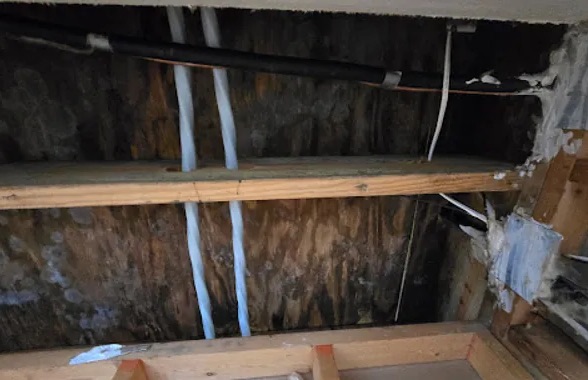
Local Attic Water Damage Restoration for Sandy Hills Homes
After a storm in Sandy Hills, water can come into the attic through lifted shingles, damaged vents or a hole from a fallen limb. Getting it out quickly keeps the ceiling below intact.
A storm leak in Sandy Hills can soak attic insulation in one night. Local restoration specialists serve Sandy Hills and nearby White City, Sandy Heights and Dimple Dell, with help available around the clock.
Comprehensive Attic Water Damage Restoration for Sandy Hills
Roof Leak Water Removal
A tarp can be placed over the damaged roof section to stop more rain from getting in while drying begins below.
Attic Drying Services
Equipment is placed on boards or platforms in the attic so it can run safely without stressing the ceiling drywall.
Attic Moisture Inspection
An inspection shows how far the water spread from the leak point, which decides what is dried in place and what is removed.
Wet Attic Insulation Removal
Blown-in insulation that got wet clumps and packs down. It is vacuumed out of the affected area and replaced after the attic is dry.
Attic Leak Water Cleanup
Leak cleanup in an attic means working between joists and around ducts, wiring and insulation, removing water from every spot it pooled.
Signs of Attic Water Damage in Sandy Hills Homes
Sagging or Bowed Roof Decking
Roof decking that sags or bows between rafters may be soaked or starting to rot.
Dripping Sounds From Ceiling
Dripping or tapping sounds above the ceiling, especially during rain, mean water is getting in.
High Energy Bills
Wet insulation loses its insulating value, so heating and cooling bills can rise after a leak.
Active Leak During Rain
Water dripping into the attic during rain shows an active roof leak that needs fixing and drying.
How Attic Water Damage Restoration Works in Sandy Hills
Step 1: Source Stop and Water Extraction
A tarp is placed over roof damage or the pipe is shut off, and water in the attic is removed.
Step 2: Removal of Damaged Materials
Ruined insulation and sagging ceiling drywall are removed to stop further damage and open the area to air.
Step 3: Attic Drying
Dehumidifiers and air movers run until wood framing and decking return to normal moisture levels.
Step 4: Cleaning and Odor Removal
Debris is cleared, dust is cleaned from the room below, and musty odors are addressed.
What Causes Attic Water Damage in Sandy Hills?
Clogged or Damaged Gutters
Clogged gutters overflow at the roof edge, pushing water under shingles and into the soffits.
Failing Roof Valley or Flashing
Worn flashing around valleys, chimneys and skylights lets water run into the attic.
Storm Damage From Wind or Hail
Wind and hail can tear shingles or puncture the roof, letting rain in during the storm.
Roof Leaks and Damaged Shingles
Missing, cracked or lifted shingles let rain reach the roof deck and drip into the attic.
Home and Business Attic Water Damage Restoration Services
Residential Attic Water Damage Restoration
Homeowners often store boxes and holiday items in the attic. Wet belongings are moved out and dried or discarded before work on the insulation and framing starts.
Commercial Attic Water Damage Restoration
Offices and stores with roof leaks need the area below protected during work. Drying is planned around business hours where possible to keep the space open.
Attic Water Damage Restoration vs. DIY: When to Call the Pros
Putting a bucket under a drip and moving belongings is a good first step. Call the specialists if the ceiling is stained, sagging or wet, or if the attic insulation is soaked.
Cost Considerations for Attic Water Damage Restoration Work
The cost of attic water damage restoration in Sandy Hills depends on how much of the attic got wet, whether insulation and ceiling drywall must come out, and how long drying takes.
Mold Prevention Measures
Antimicrobial treatment of decking and rafters that stayed wet is an added cost.
Ceiling Repair Needs
Replacing, taping and painting ceiling drywall after drying adds to the total.
Type of Water Involved
Clean rainwater is simpler to handle than water from a drain or a contaminated source.
Does Insurance Cover Attic Water Damage Restoration?
Ceiling damage below an attic leak is usually handled as part of the same claim. Make sure the adjuster sees both the attic and the room below.
The Value of Local Attic Water Damage Restoration Experts
Industry Drying Standards
Drying follows industry water damage standards, with readings taken at each visit.
Structural Drying Expertise
Drying equipment is placed for attic framing and decking, where moisture is hardest to remove.
Ceiling Damage Mitigation
Sagging ceiling drywall is drained and removed safely before it can fall.
Emergency Attic Water Removal Available Now
Storm, night or holiday, the specialists handle attic leaks in Sandy Hills. Call (385) 438-8393 to get the water out and drying started.
Call Now (385) 438-8393Attic Water Damage Restoration Throughout Salt Lake County
Other places served are listed below, each with its own page.
- Attic Water Damage Restoration in White City
- Attic Water Damage Restoration in Sandy Heights
- Attic Water Damage Restoration in Dimple Dell
- Attic Water Damage Restoration in Little Cottonwood Creek Valley
- Attic Water Damage Restoration in Granite
- Attic Water Damage Restoration in Pepperwood
- Attic Water Damage Restoration in Cottonwood Heights
- Attic Water Damage Restoration in Draper
Attic Water Damage Restoration FAQs
What causes attic leaks besides storms?
Worn flashing, clogged gutters, attic AC overflows, plumbing leaks and bathroom fans venting into the attic.
Should I remove belongings from my attic after water damage?
Yes, if it is safe. Wet boxes and items should be moved out so they can dry and the attic can be worked on.
What is involved in emergency attic water extraction?
Catching active drips, removing pooled water from decking and drywall tops, and starting drying before the ceiling below is ruined.
How is ceiling water damage from an attic leak repaired?
Sagging or soft drywall is removed, the cavity is dried, and new drywall is installed, taped and painted once readings are normal.
How long does the attic drying process take?
Often several days, depending on how wet the wood is, the attic temperature and how much insulation was removed.