Syracuse, UT · Davis County
Black Mold Remediation & Removal in Syracuse, UTBlack Mold Inspection & Antimicrobial Treatment For Mold Remediation
A successful black mold remediation & removal in Syracuse requires black mold inspection, mold-contaminated material removal, and antimicrobial treatment for mold remediation after mold testing.
Answered 24/7
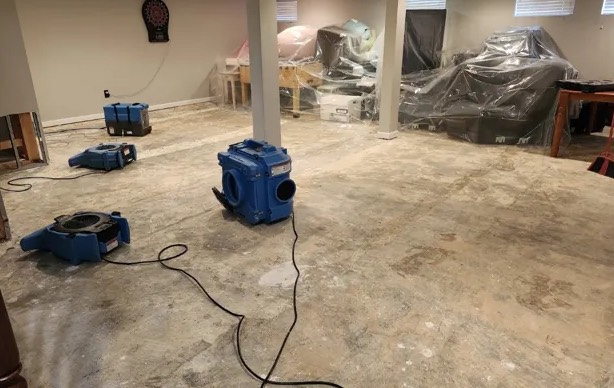
Professional Black Mold Remediation & Removal in Syracuse, UT
Black mold in a Syracuse property needs proper containment and removal. Testing can identify the species, but removal must not spread spores.
Black mold remediation and removal for properties in Syracuse and nearby places like Clearfield, Layton and Kaysville addresses localized moisture issues that foster toxic mold. The process includes HEPA vacuuming and antimicrobial treatment.
Detailed Black Mold Remediation & Removal Process in Syracuse
Black Mold Inspection
Black mold inspection involves a detailed visual assessment and may include moisture mapping to find the source of the problem. The result is a removal plan for your home.
Antimicrobial Treatment for Mold Remediation
For homes in Syracuse, antimicrobial application by mold removal experts is a proactive measure. This treatment is applied to cleaned surfaces to help guard against subsequent spore colonization.
HEPA Vacuuming for Mold Spores
HEPA vacuuming services target remaining particulate on floors, walls, and other hard surfaces. These vacuums are designed to trap extremely small particles that standard vacuums would recirculate into the air.
Moisture Source Correction
In Syracuse, mold comes back unless the water problem behind it is fixed, so moisture source correction is part of every lasting remediation.
Mold-Contaminated Material Removal
Porous materials like drywall, insulation, and carpeting that are heavily contaminated with black mold are typically removed and discarded. This removes most of the mold.
Indicators for Black Mold Remediation & Removal in Your Home
Chronic Allergy Flare-Ups
Household members experiencing persistent respiratory issues at home may be reacting to mold spores circulating in the air.
Warped or Stained Drywall
Discoloration, bulging, or softening of drywall or ceiling materials points to moisture damage and likely mold contamination.
Condensation on Windows
Excessive condensation on windows or cold surfaces signals high indoor humidity, a primary factor for black mold in walls.
Persistent Musty Odors
A strong, earthy smell that lingers in certain rooms or areas often points to hidden mold growth behind walls or under flooring.
How Black Mold Remediation & Removal Works in Syracuse
Step 1: Source Identification and Assessment
The specialists find the moisture source and test the air for spore counts.
Step 2: Setting Up Critical Containment
To protect unaffected areas, pros implement strict mold containment procedures, which often includes air scrubber installation for mold remediation to clean the air.
Step 3: Toxic Mold Removal Process
Ruined materials are removed carefully. All surfaces are then cleaned with HEPA vacuums and treated with antimicrobial solutions.
Step 4: Final Clearance and Prevention
A post-remediation check, often with air testing, confirms the cleanup worked. Pros also advise on long-term mold prevention strategies, focusing on controlling indoor humidity and moisture.
Typical Sources Requiring Black Mold Remediation
High Indoor Humidity Levels
Consistently high humidity from daily activities or a faulty AC unit provides the constant moisture mold spores need to thrive and spread.
Landscaping and Grading Issues
Soil sloping toward the foundation or dense planting against walls directs water into the structure, a key factor for mold prevention failure.
Condensation on Cold Surfaces
Warm, moist air contacting cold pipes, windows, or exterior walls causes condensation, which soaks into materials and feeds mold growth.
Flooding From Storms or Appliances
Major water intrusion from storms or appliance failures soaks building materials. Prompt water extraction and drying help keep mold from starting.
Residential and Commercial Black Mold Remediation & Removal in Syracuse
Residential Black Mold Remediation & Removal
The specialists in Syracuse perform cleaning and may recommend air scrubber installation to improve overall indoor air quality after remediation.
Commercial Black Mold Remediation & Removal
In commercial settings like hotels or apartment complexes, widespread mold issues demand scalable solutions. The experts coordinate large-scale containment, removal, and post-remediation verification to protect numerous occupants.
When to Handle Mold Yourself vs. Call Mold Remediation Specialists
However, if the mold returns or covers more than a few square feet, it's time to call the specialists for a professional mold remediation assessment to address the root cause.
Factors in Black Mold Remediation & Removal Pricing for Syracuse
The price for professional mold removal varies based on the total square footage affected, the accessibility of contaminated areas like crawlspaces, and the types of building materials that require treatment or removal.
Post Remediation Verification
Independent air quality and surface testing to confirm the mold cleanup was successful is a final, confirmatory project cost.
Containment Complexity
Sealing off the work area with barriers to prevent spore spread during mold removal increases setup time and material needs.
Material Removal Volume
The amount of drywall, insulation, or flooring that is unsalvageable and requires disposal affects debris hauling and replacement costs.
Does Insurance Cover Black Mold Remediation & Removal?
Home insurance may contribute to mold removal services if the mold is sudden and accidental from a covered water event. The specialists in Syracuse focus on proper documentation for a claim but advise homeowners to consult their insurer on coverage specifics.
Benefits of Local Specialists for Black Mold Remediation & Removal
Comprehensive Mold Inspection
An assessment using moisture meters and visual checks identifies all affected areas, including hidden mold within wall cavities.
Containment Barrier Installation
Sealing the work area with plastic sheeting prevents the cross-contamination of mold spores to clean parts of your property.
Moisture Source Identification
Fixing the water problem, like a leak or condensation, keeps mold from returning.
24/7 Emergency Black Mold Remediation & Removal in Syracuse
For 24/7 emergency mold inspection and immediate containment procedures in Syracuse, property owners can call the pros directly at (385) 438-8393.
Call Now (385) 438-8393Black Mold Remediation & Removal Service Area Including Syracuse
Each place listed below has its own page with local details.
- Black Mold Remediation & Removal in Clearfield
- Black Mold Remediation & Removal in Layton
- Black Mold Remediation & Removal in Kaysville
- Black Mold Remediation & Removal in Farmington
- Black Mold Remediation & Removal in Spanish Fork
- Black Mold Remediation & Removal in Provo
- Black Mold Remediation & Removal in Centerville
- Black Mold Remediation & Removal in Woods Cross
FAQ for Black Mold Remediation & Removal in Syracuse
Can mold return after professional remediation?
Mold can return if the original moisture source is not correctly identified and fixed. Lasting mold prevention relies on eliminating the water problem.
Is mold testing necessary before remediation?
A professional mold inspection identifies the type and extent of mold, which guides the remediation plan. Post-remediation verification testing confirms the cleanup was successful.
What is antimicrobial treatment for mold remediation?
After cleaning, EPA-registered antimicrobial agents are applied to the decontaminated structural surfaces to inhibit any remaining mold spores from regrowing.
What does mold containment procedures involve?
It involves sealing the work area with plastic sheeting and using negative air pressure with HEPA filters to prevent mold spores from spreading to clean zones.
What health risks are associated with black mold?
Exposure to Stachybotrys spores can trigger allergic reactions, respiratory irritation, and worsen asthma, especially in sensitive individuals or with prolonged exposure.