Cottonwood Heights, UT · Salt Lake County
Whole-Building Fire & Smoke Odor Removal in Cottonwood Heights, UTHVAC Duct Smoke Cleaning & Whole-House Air Scrubbing
Whole-Building Fire & Smoke Odor Removal in Cottonwood Heights combines ozone treatment for smoke odor, surface sealing for residual odor, and electrostatic soot removal.
Answered 24/7
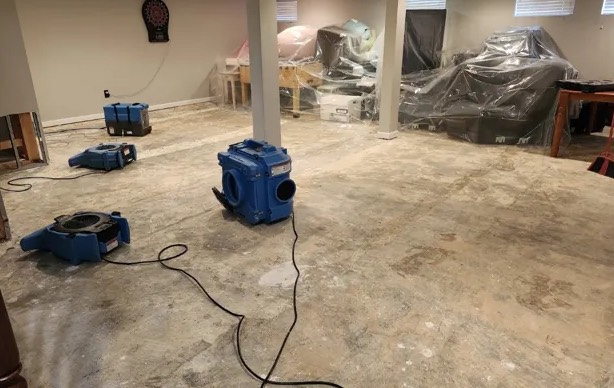
Professional Whole-Building Fire & Smoke Odor Removal in Cottonwood Heights, UT
Smoke odor is a mix of gases and fine particles that cling to surfaces and fabrics and can irritate eyes and throats. Different residues need different treatments.
Homes in Cottonwood Heights and nearby areas like Little Cottonwood Creek Valley, Sandy Hills and Granite share building styles that affect how smoke spreads through attics and walls. Local smoke odor elimination experts fog and ozone-treat the materials found in these homes.
Detailed Whole-Building Fire & Smoke Odor Removal Procedures for Cottonwood Heights
HVAC Duct Smoke Cleaning
After a fire in Cottonwood Heights, the duct system is cleaned with vacuum equipment and agitation tools before it is used again.
Whole-House Air Scrubbing
Air scrubbers cycle all the air in the home through filters, removing particles so they do not settle again on cleaned surfaces.
Surface Sealing for Residual Odor
Pros find surfaces that absorbed smoke and still smell after cleaning, then coat them so odor cannot seep back out.
Ozone Treatment for Smoke Odor
Ozone treats the full air volume of a room. People, pets, and plants stay out until the space is aired out again.
Thermal Fogging Deodorization
The fog travels the same way smoke did, into wood, drywall, and insulation, which makes it useful for greasy kitchen fire odors.
Warning Signs of Persistent Smoke Odor
Soot in Electrical Outlets
Fine soot inside outlets and behind switch plates shows smoke reached into wall cavities, not just room surfaces.
Smoke Odor in Closed Cabinets
Items inside closed cabinets that smell of smoke show the odor has passed through gaps and seals throughout the house.
Smell Emanates From HVAC Vents
A smoky smell coming from vents means the HVAC system is carrying odor from the ducts into every room.
Discolored or Stained Fabrics
Yellowed or grayed curtains, upholstery, or clothing have absorbed smoke and usually need special cleaning to lose the odor.
How Whole-Building Fire & Smoke Odor Removal Works in Cottonwood Heights
Step 1: Initial Deodorization With Fogging
Smoke odor elimination experts fog the building first, breaking down odor residue on surfaces throughout the structure.
Step 2: Content Decontamination and Cleaning
Salvageable belongings are cleaned, often off-site, with methods suited to each material so soot and odor come out.
Step 3: Whole-Building Air Exchange
Negative air machines and scrubbers exchange the indoor air, pulling out smoky air and replacing it with filtered air.
Step 4: Sealing for Residual Odor Control
Porous framing and subfloors are sealed so any last traces of odor stay locked in place.
What Makes Fire Odor So Difficult to Remove
Smoke Penetration Into Porous Materials
Smoke odor soaks deep into drywall, wood, and insulation, which then release the smell for months if left untreated.
Improper Initial Odor Mitigation
Air fresheners and surface cleaners only cover the smell and leave the residue that causes it in place.
Residual Oils From Incomplete Combustion
Oily residue from burned materials keeps giving off odor long after the fire is put out.
Absorption Into Soft Furnishings
Couches, carpets, and drapes trap smoke odor and release it slowly for weeks after the fire.
Comprehensive Odor Solutions for Any Building
Residential Whole-Building Fire & Smoke Odor Removal
Homeowners need both the structure and their belongings treated. Pros clean personal items and fog the building so the smell leaves the whole living space.
Commercial Whole-Building Fire & Smoke Odor Removal
Restaurants and stores need merchandise, equipment, and ductwork cleaned so smoke odor does not drive customers away after reopening.
Professional Whole-Building Fire & Smoke Odor Removal vs. DIY Sprays
Replace the furnace filter and wipe the vent covers. Baking soda on carpets before vacuuming can pull out some surface odor, but odor inside the ducts needs professional cleaning.
Cost Factors for Whole-Building Fire & Smoke Odor Removal in Cottonwood Heights
The number of rooms to treat and the methods needed, such as thermal fogging or ozone, drive most of the cost of whole-house odor removal.
Content Cleaning Scope
The number and type of belongings to clean, and whether they go off-site, affect time and cost.
Building Square Footage
Larger buildings need more labor time and more deodorizing solution to cover every room.
Deodorization Method Required
Thermal fogging and ozone treatment use different equipment, and some jobs need both methods.
Does Insurance Cover Whole-Building Fire & Smoke Odor Removal?
Coverage depends on your policy and the cause of the fire. The professionals document the damage with photos and notes; confirm coverage directly with your insurance provider.
Why Whole-Building Fire & Smoke Odor Removal Demands Professional Expertise
Comprehensive Odor Attack Plan
Air scrubbing, fogging, and sealing together treat both airborne odor and odor held inside materials.
IICRC-Standard Deodorization Methods
Pros follow established smoke odor protocols, treating odor at its source instead of covering it with fragrance.
Content Salvage Focus
Belongings are cleaned and deodorized so items that might otherwise be thrown out can often be kept.
Around-the-Clock Help for Smoke Damage in Cottonwood Heights, UT
Deodorizing works better before odor settles deep into walls and furniture. Call (385) 438-8393 at any hour for an initial assessment of the smoke damage.
Call Now (385) 438-8393Areas Served for Whole-Building Fire & Smoke Odor Removal
The places below are also served, and each one has its own page.
- Whole-Building Fire & Smoke Odor Removal in Little Cottonwood Creek Valley
- Whole-Building Fire & Smoke Odor Removal in Sandy Hills
- Whole-Building Fire & Smoke Odor Removal in Granite
- Whole-Building Fire & Smoke Odor Removal in Dimple Dell
- Whole-Building Fire & Smoke Odor Removal in Sandy Heights
- Whole-Building Fire & Smoke Odor Removal in Draper
- Whole-Building Fire & Smoke Odor Removal in Midvale
- Whole-Building Fire & Smoke Odor Removal in Pepperwood
Whole-Building Fire & Smoke Odor Removal FAQs Answered
Can ozone treatment remove strong smoke smells?
Ozone generators release O3, which breaks apart smoke odor compounds in the air and on porous surfaces when used in an empty building.
What's the difference between cleaning and deodorizing?
Cleaning removes visible soot residue, while deodorizing breaks down the odor molecules left behind. Most fire jobs need both steps.
How is success measured in fire smoke odor elimination?
Pros check each room for remaining smoke odor after treatment and may use particle counters to confirm the air is clean.
What is the first step in smoke damage cleanup?
Pros assess the damage, then remove burned debris and soot-covered materials so deep cleaning can begin.
How does thermal fogging deodorization work?
A heated deodorant is turned into a fine fog that travels into porous materials and breaks down odor molecules where cleaning cannot reach.