Farmington, UT · Davis County
Hidden Mold Detection in Farmington, UTWall Cavity Mold Detection & Post-Remediation Mold Verification
Hidden Mold Detection in Farmington includes moisture mapping for mold, wall cavity mold detection, and HVAC mold detection.
Answered 24/7
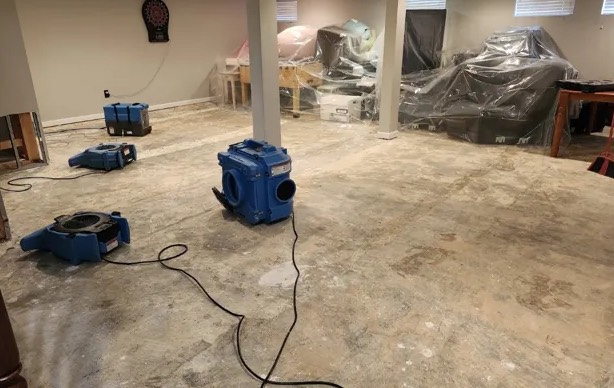
Professional Hidden Mold Detection in Farmington, UT
Hidden mold detection in Farmington prevents long-term damage from undetected spores. Local indoor air quality specialists specialize in home mold inspection techniques that reveal mold behind walls.
Hidden mold detection for properties in Farmington. The specialists serve here and places like Centerville, Kaysville and Bountiful. They perform mold spore testing and post-remediation verification with detailed documentation.
Specialized Hidden Mold Detection Available in Farmington
Wall Cavity Mold Detection
Moisture meters find dampness inside wall assemblies. This non-destructive testing precedes mold colonization. In Farmington, it is a critical first step. An inspection camera then provides visual confirmation.
Post-Remediation Mold Verification
The specialists perform verification after remediation. They conduct visual checks and follow-up air sampling. This compares spore levels to pre-cleaning conditions. It documents that contamination is back to normal levels.
Crawl Space Mold Inspection
The specialists check for plumbing leaks and condensation. They sample air or surfaces if signs are unclear. This is crucial for Farmington, as mold causes odors and damage.
Moisture Mapping for Mold
Moisture mapping locates dampness in materials before mold grows. Using meters, the specialists scan walls and floors to create a map of wet areas for homes in Farmington.
Mold Odor Investigation
A persistent odor warrants a professional investigation. Experts examine under sinks and near air handlers. Moisture meters pinpoint hidden water sources. The goal is to find the concealed mold problem.
Common Symptoms That Call for Hidden Mold Detection
Peeling Paint or Warping Walls
Paint bubbles or wallboard distortion often point to moisture inside. This damage requires wall cavity mold detection to assess the full extent.
Health Relief When Leaving Home
If respiratory issues improve when you are away, indoor air quality may be poor. Hidden mold test procedures can identify the contaminant.
Damp Feeling in Certain Rooms
A persistent feeling of dampness or chill in a room suggests hidden moisture. Moisture mapping for mold is used to find these problem areas.
Mold Recurrence After Cleaning
If mold returns quickly after you wipe it away, the root cause is elsewhere. Professional mold detection finds the hidden reservoir fueling the regrowth.
How Hidden Mold Detection Works in Farmington
Step 1: Site History and Moisture Source Interview
The specialists first gather information about past water leaks, flooding, or ongoing humidity problems. Understanding this history is crucial for targeting the mold inspection and testing effectively.
Step 2: HVAC System and Crawl Space Assessment
A key phase involves checking the HVAC system for condensation and mold in ducts. Simultaneously, a crawl space mold inspection assesses conditions in this often-neglected, moisture-prone area.
Step 3: Targeted Surface Mold Sampling
When visual clues point to a specific area, surface mold sampling is performed on materials like drywall or wood. This sampling identifies the mold species present on building materials.
Step 4: Findings Summary and Actionable Recommendations
All data from air tests, moisture readings, and samples are compiled. The experts provide clear, prioritized recommendations for addressing any confirmed hidden mold problems.
Common Causes of Hidden Mold in Farmington
Inadequate Crawl Space Ventilation
A sealed or poorly ventilated crawl space traps ground moisture and humidity. This stagnant, damp air condenses on joists and insulation, feeding mold growth.
Post-Remediation Moisture Residual
If previous water damage was not dried completely, residual moisture remains. This leftover dampness inside materials can restart the mold growth cycle silently.
Foundation Cracks and Groundwater
Cracks in a foundation or slab can allow groundwater to seep inside. This creates a damp crawl space or basement, a common site for hidden mold.
Landscaping and Grading Issues
Soil sloping toward the house directs rainwater against the foundation. This persistent moisture can wick into siding and wall materials, creating hidden problems.
Expert Hidden Mold Detection for Any Property in Farmington
Residential Hidden Mold Detection
Effective hidden mold detection finds the root cause of air quality issues. The specialists perform crawl space inspections and moisture mapping to locate water entry and mold growth.
Commercial Hidden Mold Detection
For commercial property managers, proactive hidden mold detection is key maintenance. It involves scheduled inspections of high-risk areas to prevent small moisture problems from escalating.
When to Attempt DIY and When to Choose Hidden Mold Detection
Clean small surface mold on non-porous materials with proper cleaners, wearing gloves and an N95 mask. Do not clean large areas or mold on drywall.
What Affects Hidden Mold Detection Pricing in Farmington
The price of professional mold detection in Farmington is affected by the need for advanced techniques. The scope of required post-remediation verification also plays a key role.
Moisture Mapping Extent
Comprehensive moisture mapping for mold to identify hidden water sources behind walls or under floors increases the service scope and price.
Post-Remediation Verification
A follow-up post-remediation mold verification visit to ensure clearance adds to the total cost of the home mold inspection process.
HVAC System Complexity
A detailed HVAC mold detection service for large or multi-unit systems involves more labor and specialized mold detection equipment.
Does Insurance Cover Hidden Mold Detection?
For mold detection in Farmington, coverage is set by the insurer. The specialists gather evidence like air quality testing results to support a claim. Property owners should review policy details.
Selecting Indoor Air Quality Specialists for Your Hidden Mold Detection Needs in Farmington
Post-Remediation Verification Testing
This service confirms the success of prior mold cleanup, providing peace of mind that the affected area is truly clear of contamination.
Comprehensive Moisture Mapping
This technique pinpoints hidden moisture sources that could lead to mold, informing a more targeted and effective detection strategy.
24/7 Emergency Response
Fast assessment is available around the clock when a sudden water event raises immediate concerns about potential hidden mold growth.
Immediate Emergency Hidden Mold Detection Response in Farmington
Suspected mold in your HVAC system or crawl space requires thorough action. For emergency professional mold detection available around the clock in Farmington, initiate service by calling (385) 438-8393 now.
Call Now (385) 438-8393Hidden Mold Detection Available Throughout the Farmington Area
Each place listed below has its own page with local details.
Your Hidden Mold Detection Questions Addressed
What is the purpose of surface mold sampling during an inspection?
Surface sampling collects particles from visible suspicious areas to have them analyzed, helping to confirm if a discoloration is actually mold and identifying the type.
How long does a complete home mold inspection usually take?
The duration depends on the property's size and complexity, but a comprehensive assessment with air and surface sampling typically takes several hours to complete properly.
Is air quality testing for mold different from a standard air test?
Yes, it specifically analyzes the concentration and types of mold spores in the air, providing data on indoor air contamination that a standard test does not.
Should I get a mold inspection before buying a home in Farmington?
A pre-purchase home mold inspection can reveal hidden issues affecting air quality and structural integrity, which is valuable information during the buying process.
Does a mold smell investigation always find the source?
While highly effective, extreme cases with complex airflow can be challenging; however, the systematic process greatly increases the likelihood of locating the odor's origin.