Highland, UT · Utah County
Hidden Mold Detection in Highland, UTHVAC Mold Detection & Surface Mold Sampling
Hidden Mold Detection in Highland covers post-remediation mold verification, hidden mold air testing, and wall cavity mold detection.
Answered 24/7
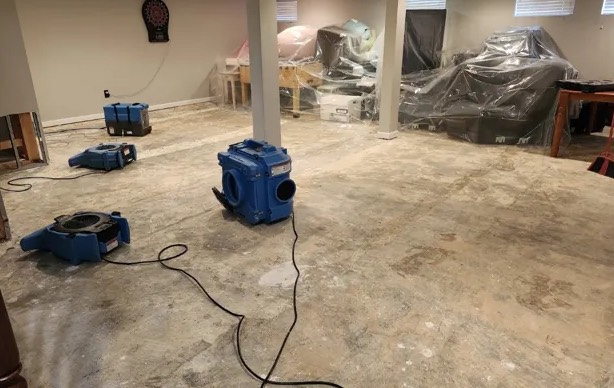
Hidden Mold Detection: Local Detection Services in Highland
Hidden mold detection matters for Highland homes because mold can thrive in damp, unseen areas. Local indoor air quality specialists utilize professional detection strategies to evaluate risks with non-destructive testing first.
Hidden mold detection in Highland identifies mold sources affecting air quality. The specialists extend work to locations such as Alpine, American Fork and Lehi, conducting HVAC and crawl space inspections.
Specialized Hidden Mold Detection Available in Highland
HVAC Mold Detection
The specialists inspect cooling coils and condensate pans for slimy biofilm on metal surfaces. Mold here can impact a home's entire air system.
Surface Mold Sampling
Surface sampling identifies mold on visible areas. The process involves pressing adhesive tape to collect spores, which helps distinguish mold from dirt or soot in homes in Highland.
Mold Odor Investigation
An earthy smell signals hidden mold. Experts inspect crawl spaces and wall cavities in Highland. They understand odors come from microbial compounds, locating the colony to restore fresh air.
Wall Cavity Mold Detection
Finding mold behind drywall starts with thermal imaging. Scans show temperature shifts from damp framing. A small opening allows a camera inspection. This confirms growth near wiring or plumbing.
Moisture Mapping for Mold
Moisture mapping locates dampness in materials before mold grows. Using meters, the specialists scan walls and floors to create a map of wet areas for homes in Highland.
How to Know If You Need Hidden Mold Detection in Highland
Recent Water Damage History
Past leaks or flooding create perfect conditions for hidden mold. Mold detection services are crucial even after the visible water is gone.
Peeling Paint or Warping Walls
Paint bubbles or wallboard distortion often point to moisture inside. This damage requires wall cavity mold detection to assess the full extent.
Persistent Musty or Moldy Odors
A musty smell that lingers after cleaning suggests hidden mold growth. This often requires a professional mold smell investigation to locate the source.
Condensation on Windows or Walls
Chronic condensation signals high humidity, a key driver for mold. This moisture can lead to hidden mold behind walls and in insulation.
How Hidden Mold Detection Works in Highland
Step 1: Site History and Moisture Source Interview
The specialists first gather information about past water leaks, flooding, or ongoing humidity problems. Understanding this history is crucial for targeting the mold inspection and testing effectively.
Step 2: HVAC System and Crawl Space Assessment
A key phase involves checking the HVAC system for condensation and mold in ducts. Simultaneously, a crawl space mold inspection assesses conditions in this often-neglected, moisture-prone area.
Step 3: Targeted Surface Mold Sampling
When visual clues point to a specific area, surface mold sampling is performed on materials like drywall or wood. This sampling identifies the mold species present on building materials.
Step 4: Findings Summary and Actionable Recommendations
All data from air tests, moisture readings, and samples are compiled. The experts provide clear, prioritized recommendations for addressing any confirmed hidden mold problems.
Primary Sources of Hidden Mold in Highland Homes
Flooding From Appliance Failures
A burst washing machine hose or water heater leak can flood an area quickly. Water gets trapped under flooring and behind baseboards, leading to hidden mold.
Improperly Sealed Windows
Windows with failed seals allow rainwater and condensation to penetrate the wall. The trapped moisture inside the wall assembly promotes mold growth on framing.
Poor Bathroom Ventilation
Showers produce steam that condenses on cold surfaces if not vented properly. This routine moisture leads to mold in ceilings, behind tiles, and under floors.
Inadequate Crawl Space Ventilation
A sealed or poorly ventilated crawl space traps ground moisture and humidity. This stagnant, damp air condenses on joists and insulation, feeding mold growth.
Both Residential and Commercial Hidden Mold Detection in Highland
Residential Hidden Mold Detection
A home mold inspection by the specialists goes beyond a visual check. It involves mold spore testing from air and hidden surfaces. This is essential after water incidents in Highland.
Commercial Hidden Mold Detection
Business owners require specialized mold detection to comply with health standards. Services like post-remediation verification and HVAC detection ensure remediation success and that systems are not circulating contaminants, safeguarding people.
When to Attempt DIY and When to Choose Hidden Mold Detection
Inspect exterior siding, flashing, and pipe gaps for cracks, sealing them with caulk. Ensure bathroom grout and sealant are intact. For hidden contamination, schedule hidden mold detection with experts.
What Affects Hidden Mold Detection Pricing in Highland
In Highland, the cost for hidden mold detection services depends on how many areas need investigation. The complexity of the mold odor investigation influences the total investment required.
Post-Remediation Verification
A follow-up post-remediation mold verification visit to ensure clearance adds to the total cost of the home mold inspection process.
HVAC System Complexity
A detailed HVAC mold detection service for large or multi-unit systems involves more labor and specialized mold detection equipment.
Mold Odor Investigation Scope
Tracking a persistent mold smell through the property often requires extended diagnostics, affecting the final price for mold smell investigation.
Does Insurance Cover Hidden Mold Detection?
For mold inspection and testing in Highland, most policies do not cover mold unless from a covered water loss. The specialists provide documentation.
Selecting Indoor Air Quality Specialists for Your Hidden Mold Detection Needs in Highland
Crawl Space and Wall Cavity Focus
Attention is given to these often-overlooked areas where mold thrives unseen, using non-invasive wall cavity mold detection techniques.
Clear Documentation for Claims
Detailed reports with photographic evidence and moisture readings are prepared to support your communication with your insurance provider.
24/7 Emergency Response
Fast assessment is available around the clock when a sudden water event raises immediate concerns about potential hidden mold growth.
24/7 Hidden Mold Detection for Urgent Situations in Highland
A musty odor or visible water damage can signal a hidden mold problem needing prompt attention. Contact (385) 438-8393 for 24/7 emergency mold detection services in Highland.
Call Now (385) 438-8393Local Hidden Mold Detection Coverage for Highland and Beyond
Other places served are listed below, each with its own page.
Frequently Asked Questions About Hidden Mold Detection
Can mold detection services identify all types of mold?
While visual inspection and sampling can identify many common types, exact species identification usually requires laboratory analysis of the collected mold spore testing samples.
Is air quality testing for mold different from a standard air test?
Yes, it specifically analyzes the concentration and types of mold spores in the air, providing data on indoor air contamination that a standard test does not.
Why is post-remediation mold verification testing important?
This follow-up hidden mold test confirms that mold levels have returned to normal after cleanup, ensuring the remediation was successful and the space is safe.
How does moisture mapping help in finding hidden mold?
Moisture mapping for mold uses sensors to create a detailed picture of dampness behind surfaces, pinpointing exactly where conditions are right for mold to grow unseen.
What is the purpose of surface mold sampling during an inspection?
Surface sampling collects particles from visible suspicious areas to have them analyzed, helping to confirm if a discoloration is actually mold and identifying the type.