Eagle Mountain, UT · Utah County
HVAC Fire Damage Cleanup in Eagle Mountain, UTAir Quality Testing Post-Cleanup & Post-Fire Duct Sanitization
HVAC filter replacement, post-fire duct sanitization, and smoke odor neutralization are elements of HVAC Fire Damage Cleanup in Eagle Mountain.
Answered 24/7
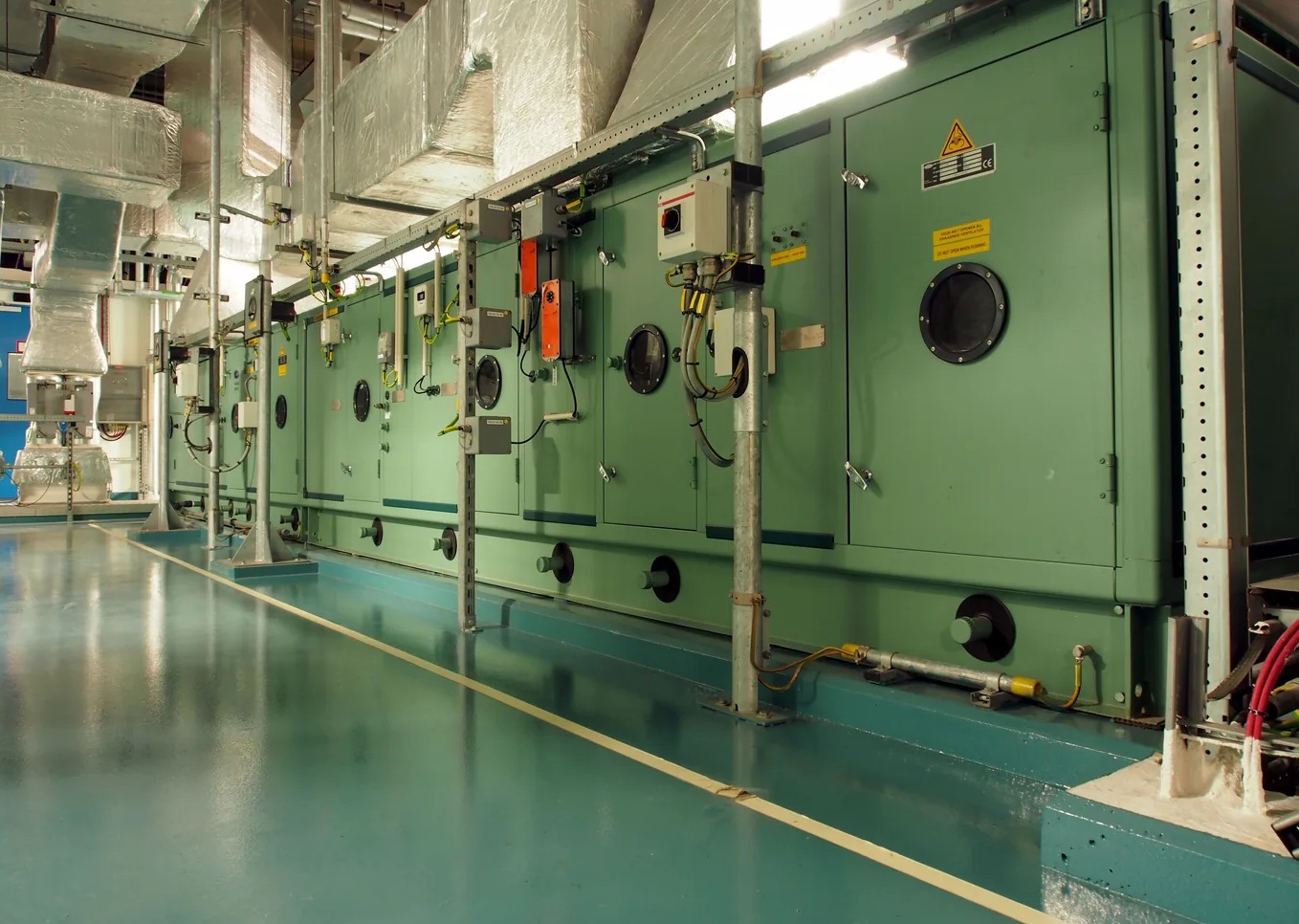
Comprehensive HVAC Fire Damage Cleanup Serving Eagle Mountain
HVAC system restoration after a fire ensures heating and cooling equipment operates safely. Smoke particles can clog filters and coat internal parts, reducing performance and potentially causing malfunctions.
In Eagle Mountain and nearby locales like Saratoga Springs, Lehi and American Fork, odor removal after fire in HVAC is common. Odor particles bind to dust and ducts. Local soot removal specialists use oxidation during duct sanitization to break them down.
The HVAC Fire Damage Cleanup Process in Eagle Mountain
Air Quality Testing Post-Cleanup
Post-cleanup air testing is a quality assurance step. It compares air samples from ducts and living space to baseline standards. This ensures cleaning successfully removed fire-related contaminants for a healthy environment.
Post-Fire Duct Sanitization
The goal of post-fire duct sanitization is a better-than-pre-fire hygienic state. It targets microscopic organisms feeding on smoke residues. This service makes ducts clean and resistant to biological growth.
Smoke Odor Neutralization
Neutralizing stubborn odors may involve thermal fogging or ozone treatment. These methods penetrate crevices and react with odor-causing compounds. It is a critical final step for the HVAC system.
Air Duct Soot Removal
Soot accumulation in hidden ducts can undermine cleanup. The blower fan can redistribute it. A thorough cleaning addresses this contamination reservoir.
Emergency HVAC System Shutdown
Shutting down the HVAC system prevents the disaster from multiplying. The blower fan can pull smoky air and distribute it. Securing the power contains contamination until cleaning occurs.
Signs Your Eagle Mountain Home Needs HVAC Soot Removal
Increased Allergy or Respiratory Issues
New or worsening allergy symptoms among occupants can point to poor indoor air quality from post-fire HVAC contamination.
Activation of Smoke Alarms From HVAC
Smoke detectors triggering when the HVAC system turns on is a severe sign of active particulate circulation needing emergency cleaning.
Visible Soot Around Air Vents
Black dust or smudges near your vents and registers are clear indicators of smoke damage circulating through your ducts.
Ash or Debris Blowing From Vents
Finding particulate matter or ash being discharged from your vents confirms the HVAC system is contaminated and needs attention.
How HVAC Fire Damage Cleanup Works in Eagle Mountain
Step 1: Emergency HVAC System Shutdown
The first critical action is to safely power down the heating and cooling system. This prevents the spread of soot and smoke residues throughout the entire property's ductwork after a fire event.
Step 2: Comprehensive Air Duct Soot Removal
Using specialized brushes and negative air machines, the specialists agitate and extract soot deposits from all accessible duct surfaces. This targets the primary source of contamination and odor.
Step 3: Blower Motor and Coil Cleaning
Key mechanical components are carefully cleaned. Soot is removed from the blower assembly, fan blades, and evaporator coils to restore efficiency and prevent corrosion from acidic residues.
Step 4: Post-Cleanup Air Quality Verification
After cleaning, air quality testing post-cleanup may be performed. This helps verify the effectiveness of the HVAC fire damage cleanup process and ensures the air is safe to breathe.
Common Causes of HVAC Fire Damage in Eagle Mountain
Chemical Residues From Burning Materials
Modern furnishings and building materials release acidic, corrosive chemicals when burned, which coat and damage HVAC components.
House Fire or Kitchen Fire
A primary structure fire forces massive amounts of soot, smoke, and chemical residues directly into the home's HVAC intake and ductwork.
Neighboring Structure Fire Smoke Infiltration
Smoke from a nearby fire can be drawn into your home's ventilation system, contaminating ducts and components with external soot.
Thermal Expansion During the Fire
Intense heat can cause metal ductwork to expand and contract, potentially opening seams that allow soot to enter enclosed spaces.
Home and Business HVAC Fire Damage Cleanup Serving Eagle Mountain
Residential HVAC Fire Damage Cleanup
Homeowners face lingering smoke odors and soot circulation after a fire. Specialized post-fire duct sanitization and vent cleaning target embedded residues. This process, handled by the specialists, is key to making a home livable.
Commercial HVAC Fire Damage Cleanup
Commercial HVAC systems are larger and more complex, with extensive duct runs. Soot contamination impacts air quality across entire floors. The pros use industrial-scale equipment for blower motor and coil cleaning.
Hiring Soot Removal Specialists for HVAC Fire Damage Cleanup in Eagle Mountain
Opening windows for ventilation can help dissipate some initial smoke odor. This does not address the source inside the ductwork. Persistent odor removal after fire needs specialized neutralization techniques from pros.
Understanding HVAC Fire Damage Cleanup Costs in Eagle Mountain
Post-fire duct sanitization and smoke odor neutralization procedures add to the overall project cost, as these are detailed processes beyond basic soot removal from air ducts.
Required Decontamination Steps
Projects needing full post-fire duct sanitization and smoke odor neutralization involve additional specialized equipment and cleaning agents.
Accessibility of Components
Easily accessed vents and a readily available air handler simplify the process of cleaning soot from vents and blower motors.
Emergency Service Needs
If emergency HVAC system shutdown and professional service are required, it can influence the project's initial mobilization and assessment phase.
Does Insurance Cover HVAC Fire Damage Cleanup?
For HVAC decontamination after smoke, check the policy for smoke damage provisions. The specialists compile evidence, including air quality test results. Homeowners forward this to their insurer to determine benefits.
Why Choose Local Specialists for HVAC Fire Damage Cleanup in Eagle Mountain
IICRC-Standard Cleaning Protocols
Methods follow industry standards for soot removal from air ducts and HVAC decontamination after smoke, addressing particulate and residue properly.
Comprehensive Soot Removal
The process addresses visible soot and microscopic particles during air duct smoke damage cleanup, targeting the entire affected system.
Post-Cleanup Air Quality Verification
Air quality testing post-cleanup provides tangible data that the HVAC system restoration after fire has achieved a healthier environment.
Initial Assessment HVAC Fire Damage Cleanup in Eagle Mountain
Emergency HVAC cleaning services can prevent costly secondary damage from acidic soot. To schedule an emergency response for air duct smoke damage cleanup in Eagle Mountain, call (385) 438-8393 at any hour.
Call Now (385) 438-8393Local HVAC Fire Damage Cleanup Coverage for Eagle Mountain
The places below are also served, and each one has its own page.
- HVAC Fire Damage Cleanup in Saratoga Springs
- HVAC Fire Damage Cleanup in Lehi
- HVAC Fire Damage Cleanup in American Fork
- HVAC Fire Damage Cleanup in Herriman
- HVAC Fire Damage Cleanup in North Salt Lake
- HVAC Fire Damage Cleanup in Orem
- HVAC Fire Damage Cleanup in Woods Cross
- HVAC Fire Damage Cleanup in Bountiful
FAQ for HVAC Fire Damage Cleanup in Eagle Mountain
How long does HVAC filter replacement after fire take?
Replacing filters is a quick task, but it is part of the full inspection and cleaning process. All system filters should be replaced as a first step in restoration.
How is odor removal after fire in HVAC achieved?
Specialized smoke odor neutralization techniques, such as sealing duct liners or using antimicrobial treatments and ozone, target odor molecules at their source within the HVAC system.
Does vent cleaning for smoke damage replace filters?
Vent cleaning addresses the duct pathways, but HVAC filter replacement after fire is always required, as filters are clogged with soot and are a primary line of defense.
Why is HVAC decontamination after smoke important?
Smoke carries fine particles and chemicals that adhere to duct surfaces. Decontamination cleans these residues to prevent them from off-gassing and affecting your home's air long-term.
Why is blower motor and coil cleaning necessary?
Soot can insulate and foul these critical components, reducing efficiency and potentially causing mechanical failure. Cleaning restores proper airflow and heat transfer.