Salt Lake City, UT · Salt Lake County
HVAC Fire Damage Cleanup in Salt Lake City, UTSmoke Odor Neutralization & Post-Fire Duct Sanitization
Air duct soot removal, HVAC filter replacement, and smoke odor neutralization are part of HVAC Fire Damage Cleanup in Salt Lake City.
Answered 24/7
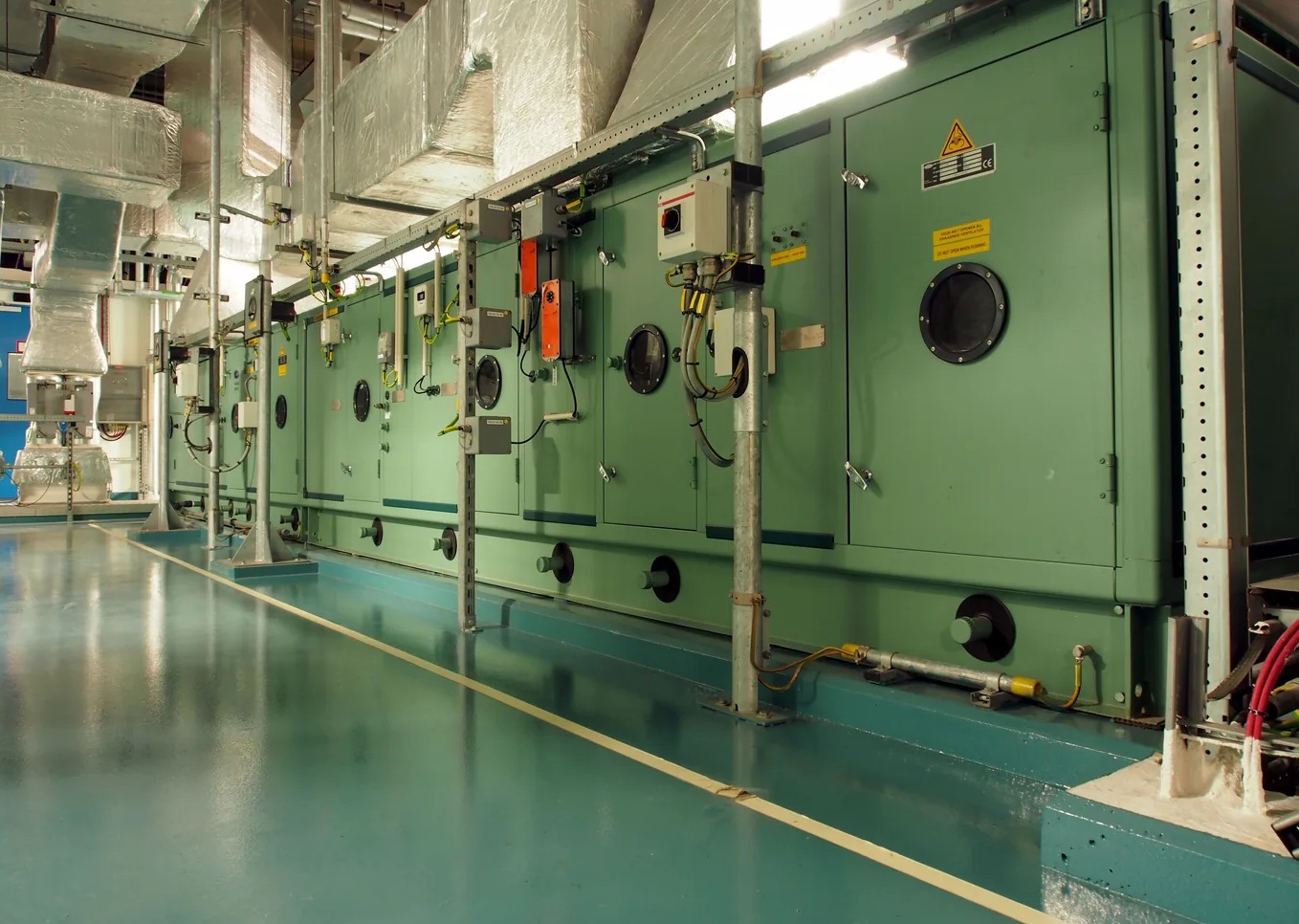
Expert HVAC Fire Damage Cleanup for Salt Lake City Homes and Businesses
HVAC system restoration after a fire ensures heating and cooling equipment operates safely. Smoke particles can clog filters and coat internal parts, reducing performance and potentially causing malfunctions.
In Salt Lake City and nearby locales like Sugar House, Glendale and Rose Park, odor removal after fire in HVAC is common. Odor particles bind to dust and ducts. Local HVAC fire damage cleanup pros use oxidation during duct sanitization to break them down.
HVAC Fire Damage Cleanup Services in Salt Lake City
Smoke Odor Neutralization
Eliminating smoke odor requires a multi-pronged approach. After cleaning, odor counteractants circulate through the ducts. This neutralizes smells embedded in materials that physical cleaning alone cannot remove.
Post-Fire Duct Sanitization
The goal of post-fire duct sanitization is a better-than-pre-fire hygienic state. It targets microscopic organisms feeding on smoke residues. This service makes ducts clean and resistant to biological growth.
HVAC Soot
Soot accumulation inside your HVAC system after a fire can cause operational issues and circulate contaminants. Local HVAC fire damage cleanup pros perform a thorough removal of all fire-related debris from critical system parts.
HVAC Fire Damage Cleanup
Professional cleanup prevents ongoing soot and odor circulation. The pros follow IICRC-standard methods for HVAC fire damage cleanup in Salt Lake City. The process includes assessment and careful cleaning of ducts and components.
Air Duct Soot Removal
Soot accumulation in hidden ducts can undermine cleanup. The blower fan can redistribute it. A thorough cleaning addresses this contamination reservoir.
Signs Your Salt Lake City Home Needs HVAC Soot Removal
Ash or Debris Blowing From Vents
Finding particulate matter or ash being discharged from your vents confirms the HVAC system is contaminated and needs attention.
HVAC System Is Noisy or Struggling
Unusual sounds or strain from your HVAC unit may indicate soot buildup on critical components like the blower motor.
Increased Allergy or Respiratory Issues
New or worsening allergy symptoms among occupants can point to poor indoor air quality from post-fire HVAC contamination.
Musty Smell Mixed With Smoke
A combination of smoky and musty odors can indicate mold growth fueled by moisture used during firefighting efforts in ducts.
How HVAC Fire Damage Cleanup Works in Salt Lake City
Step 1: Initial Assessment and Documentation
The pros begin by assessing the extent of smoke infiltration into the HVAC system. They document the damage with photos and notes, which can be useful for a homeowner's insurance claim process.
Step 2: Vent and Register Deep Cleaning
All vents, registers, and grilles are removed and cleaned. This step of vent cleaning for smoke damage removes visible soot and prevents it from being re-introduced into the cleaned duct system.
Step 3: HVAC Decontamination After Smoke
The interior ductwork undergoes a detailed sanitization process. This post-fire duct sanitization step uses EPA-registered agents to address microbial growth and neutralize lingering odors at their source.
Step 4: Final System Reassembly and Filter Replacement
All components are reinstalled. A new, high-efficiency air filter is installed as part of the HVAC filter replacement after fire protocol to capture any remaining microscopic particles.
Causes of Soot in Ducts for HVAC Fire Damage Cleanup
House Fire or Kitchen Fire
A primary structure fire forces massive amounts of soot, smoke, and chemical residues directly into the home's HVAC intake and ductwork.
Chemical Residues From Burning Materials
Modern furnishings and building materials release acidic, corrosive chemicals when burned, which coat and damage HVAC components.
Smoke Penetration Through HVAC Seams
Smoke particles are extremely fine and can infiltrate through small gaps and seams in ductwork, contaminating spaces between walls.
Soot Backdraft During Firefighting
Firefighting activities can create pressure changes that force soot and smoke deep into wall cavities and the air duct system.
HVAC Fire Damage Cleanup for All Property Types in Salt Lake City
Residential HVAC Fire Damage Cleanup
Residential HVAC filter replacement after a fire is just the first step. Soot adheres to duct walls and the blower. The specialists clean these components to prevent odor and corrosion.
Commercial HVAC Fire Damage Cleanup
In commercial settings, fire residues can compromise sensitive equipment and inventory. A complete HVAC decontamination after smoke protocol, including air quality testing, is essential for health standards compliance.
Professional HVAC Fire Damage Cleanup or DIY Cleanup in Salt Lake City
Wipe down accessible exterior vent covers with a damp cloth to remove surface soot. Do not use chemical cleaners or clean inside ducts. For vent cleaning for smoke damage, rely on the pros.
Pricing for HVAC Fire Damage Cleanup in Salt Lake City
Cleaning soot from vents and performing HVAC decontamination after smoke involves varying levels of effort, influencing the total cost based on your specific system's configuration and damage.
Post-Cleanup Verification
Including professional air quality testing post-cleanup adds a step to confirm the effectiveness of the HVAC system restoration after fire.
Odor Neutralization Complexity
Stubborn smoke smells that permeate insulation or building materials may require advanced odor removal after fire in HVAC techniques.
Filter and Part Replacement
The number of HVAC filters needing replacement and any components damaged by heat or soot impact material costs.
Does Insurance Cover HVAC Fire Damage Cleanup?
For HVAC decontamination after smoke, check the policy for smoke damage provisions. The specialists compile evidence, including air quality test results. Homeowners forward this to their insurer to determine benefits.
The Value of Local Pros for HVAC Fire Damage Cleanup
Odor Neutralization Expertise
Specialized techniques for smoke odor neutralization tackle lingering smells at the source within the ductwork and mechanical components.
IICRC-Standard Cleaning Protocols
Methods follow industry standards for soot removal from air ducts and HVAC decontamination after smoke, addressing particulate and residue properly.
Detailed System Assessment
Inspection covers all components, from vents to the blower motor, to plan an effective fire damaged HVAC duct cleaning strategy.
Initial Assessment HVAC Fire Damage Cleanup in Salt Lake City
A fire event requires prompt attention to your heating and cooling system to prevent further soot distribution. For urgent HVAC decontamination after smoke response in Salt Lake City, call (385) 438-8393 anytime, day or night.
Call Now (385) 438-8393HVAC Fire Damage Cleanup Service Area Includes Salt Lake City
The places below are also served, and each one has its own page.
- HVAC Fire Damage Cleanup in Sugar House
- HVAC Fire Damage Cleanup in Glendale
- HVAC Fire Damage Cleanup in Rose Park
- HVAC Fire Damage Cleanup in South Salt Lake
- HVAC Fire Damage Cleanup in American Fork
- HVAC Fire Damage Cleanup in Pleasant Grove
- HVAC Fire Damage Cleanup in Saratoga Springs
- HVAC Fire Damage Cleanup in Lehi
Common HVAC Fire Damage Cleanup Questions Answered
What is post-fire duct sanitization?
It is the application of EPA-registered antimicrobial agents inside the ductwork after cleaning to inhibit microbial growth that soot and moisture from firefighting can encourage.
Why is HVAC decontamination after smoke important?
Smoke carries fine particles and chemicals that adhere to duct surfaces. Decontamination cleans these residues to prevent them from off-gassing and affecting your home's air long-term.
Does vent cleaning for smoke damage replace filters?
Vent cleaning addresses the duct pathways, but HVAC filter replacement after fire is always required, as filters are clogged with soot and are a primary line of defense.
Why is blower motor and coil cleaning necessary?
Soot can insulate and foul these critical components, reducing efficiency and potentially causing mechanical failure. Cleaning restores proper airflow and heat transfer.
Why is soot removal from air ducts urgent after a fire?
Soot is acidic and corrosive, potentially damaging HVAC components and circulating harmful particulates. Prompt fire damaged HVAC duct cleaning prevents secondary damage and protects your indoor environment.