Sugar House, UT · Salt Lake County
Mold Damage Repair in Sugar House, UTAttic Mold Remediation & Wall Cavity Mold Treatment
Reliable Mold Damage Repair in Sugar House, including crawl space mold cleanup, HVAC mold decontamination, and black mold removal.
Answered 24/7
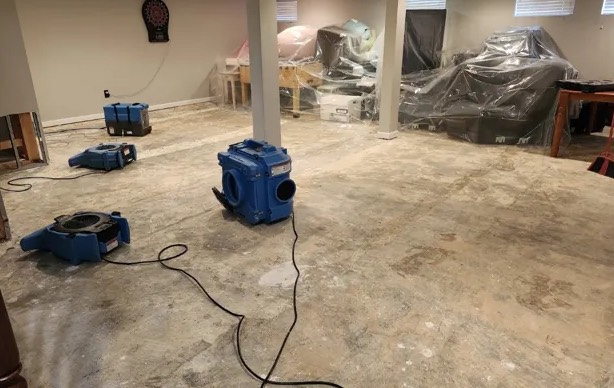
Mold Damage Repair: Remediation in Sugar House, UT
For mold growth in properties throughout the Sugar House community in Salt Lake City, professional mold inspection and testing are often required to assess hidden areas like HVAC ducts and crawl spaces.
Mold problems in Sugar House can compromise HVAC systems and crawl spaces, requiring professional intervention. Local mold removal specialists provide services like mold testing and decontamination for properties in Sugar House, Millcreek, South Salt Lake and Centerfield, focusing on effective repair.
Detailed Mold Damage Repair Offerings
Attic Mold Remediation
Mold in the attic compromises insulation and wood framing. The remediation process includes removing contaminated materials and ensuring adequate ventilation is restored. The specialists tackle this to safeguard a home's envelope.
Wall Cavity Mold Treatment
Treating mold in wall cavities stops damage to studs and insulation. The process focuses on source elimination and ensuring the interior space is completely dry before repairs are made by the specialists.
HVAC Mold Decontamination
An infected air handling unit requires professional duct cleaning and sanitization. The experts use EPA-registered products to decontaminate the system, preventing respiratory irritants from spreading throughout your Sugar House home.
Crawl Space Mold Cleanup
Mold cleanup in a crawl space starts with moisture control measures. Experts remove wet debris, treat surfaces, and may install new vapor barriers to create a hostile environment for future mold growth in Sugar House.
Basement Mold Abatement
Persistent dampness makes basements vulnerable to mold. The process includes water extraction, structural drying, and removing affected porous materials. The pros address the root moisture cause for a lasting solution.
Signs You Require Mold Remediation
Mold in the HVAC System
Dusty, musty air from vents can signal mold in ducts. HVAC mold decontamination by pros is needed for safe air.
Damp or Wet Insulation
Wet insulation in an attic or crawl space is a major risk. Attic mold remediation often starts with addressing this.
Health Issues for Household Members
Respiratory problems or headaches that improve when away from home may be mold-related. The specialists can assess your environment.
Visible Mold Growth on Surfaces
Black, green, or white fuzzy patches on walls or ceilings are clear signs. This visible growth requires professional mold damage repair.
How Mold Damage Repair Works in Sugar House
Step 1: Initial Consultation and Moisture Mapping
The process starts by mapping moisture levels throughout the affected zone. This helps the specialists plan the scope of the mold damage restoration project.
Step 2: Source Correction and Humidity Control
Fixing the water source is critical before any cleanup. Dehumidifiers are deployed to lower humidity, creating an environment hostile to mold.
Step 3: Mold Abatement and Contaminated Material Removal
The specialists perform abatement, carefully removing and bagging ruined insulation, drywall, or carpet. This stops the spread of active colonies.
Step 4: Cleaning, Sanitizing, and Post-Remediation Check
All remaining structural elements are cleaned and sanitized. A post-remediation check confirms successful mold elimination before the area is reopened.
Typical Mold Triggers in Residential Properties
High Humidity From Climate or Activities
Local climate combined with activities like cooking or showering raises humidity. Without dehumidification, this environment supports mold growth.
Inadequate Crawl Space Encapsulation
A vented crawl space with exposed earth raises indoor humidity drastically. This is a frequent cause of crawl space mold cleanup needs.
Chronic Condensation Issues
Condensation on cold surfaces like pipes or windows provides constant moisture. This repeated wetting fuels mold colonies over time.
Roof Leaks and Water Intrusion
A compromised roof allows water into attic spaces and wall cavities. This moisture leads directly to mold growth requiring abatement.
Mold Repair for All Properties in Sugar House
Residential Mold Damage Repair
Attic mold remediation and crawl space mold cleanup are frequent residential needs. The specialists assess the moisture source and apply treatments to stop growth, safeguarding the structure of your house.
Commercial Mold Damage Repair
Office buildings and facilities require mold inspection and treatment that considers complex building systems. The specialists address contamination in ducts, ceiling plenums, and other hidden commercial spaces.
Why Mold Damage Repair Needs Professional Attention
Clean gutters and direct downspouts away from the foundation. If water entered the home and caused damage, DIY mold cleanup risks health. Professional mold abatement follows strict safety protocols.
Investing in Mold Damage Repair for Sugar House Properties
For mold damage repair in Sugar House, costs are shaped by the labor and materials needed for proper mold elimination. The presence of toxic black mold may necessitate more extensive safety measures and treatment.
Post-Remediation Verification
A final mold inspection and testing to confirm successful abatement ensures the job is complete but is an additional step in the process.
Materials and Contents
The presence of porous materials like drywall or insulation that must be removed and replaced can increase the cost of mold damage restoration.
Location and Accessibility
Hard-to-reach areas like wall cavities, attics, or crawl spaces often demand more time and specialized equipment for effective mold treatment.
Does Insurance Cover Mold Damage Repair?
Insurance for black mold removal is based on the originating water event. The professionals compile evidence for the claim. The insurance provider makes the final call on coverage, so direct consultation is recommended.
Why Choose Local Mold Removal Specialists for Mold Damage Repair in Sugar House
Thorough Air Filtration
High-efficiency particulate air scrubbers run continuously to capture airborne mold spores during the removal process, improving indoor air quality.
Detailed Moisture Mapping
Using advanced tools, specialists identify all moisture sources and hidden damp areas to create a complete picture for targeted drying and mold treatment.
Comprehensive Containment Procedures
To protect unaffected areas of your home, pros establish physical barriers and negative air pressure during attic mold remediation or wall cavity work.
24/7 Emergency Mold Damage Repair in Sugar House
A major mold infestation is a home emergency needing professional intervention. For 24/7 emergency mold cleanup in Sugar House, act now. Get help from experienced pros by calling (385) 438-8393 without delay.
Call Now (385) 438-8393Mold Damage Repair Services for Sugar House
Each place listed below has its own page with local details.
Mold Damage Repair FAQs
How does mold damage restoration differ from simple drying?
Mold damage restoration includes drying but goes further to address microbial growth. It involves cleaning, sanitizing, and often removing materials, followed by repairs to restore the property.
What does the mold damage repair process involve in Sugar House?
The process begins with a thorough mold inspection and moisture assessment. Local pros then contain the area, remove contaminated materials, clean surfaces with antimicrobial agents, and dry the structure completely to prevent recurrence.
What is the goal of mold treatment after removal?
Mold treatment sanitizes surfaces and applies an antimicrobial coating. This inhibits future growth on treated materials after physical removal.
Can mold return after professional mold abatement?
Mold returns if the moisture problem persists. Successful abatement involves fixing the source, like a leak, to create conditions where mold cannot thrive.
What are key post-flood mold prevention steps?
Key steps include rapid water extraction, removing wet porous materials, thorough structural drying with industrial equipment, and applying antimicrobial treatments to surfaces before mold has a chance to establish and grow.