Glendale, UT · Salt Lake County
Mold Remediation Services in Glendale, UTAir Duct Mold Cleaning & Basement Mold Cleanup
Mold Remediation Services in Glendale covers crawl space mold abatement, attic mold removal and bathroom mold cleanup.
Answered 24/7
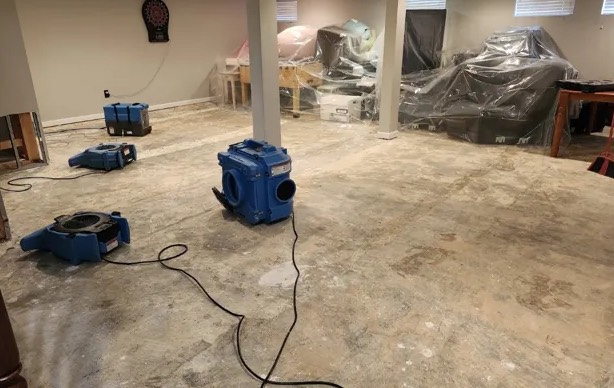
Professional Mold Remediation Services in Glendale, UT
Mold needs moisture to grow, so every mold problem in Glendale starts with water: a slow leak, a past flood or damp air that never dries out. Removing the mold without fixing that moisture means it comes back.
In Glendale, South Salt Lake, Rose Park and Centerfield, local mold remediation pros remove mold after water damage, clean affected framing and dry the area so the problem does not return.
Mold Cleanup Options in Glendale
Air Duct Mold Cleaning
A musty smell when the air turns on can point to mold in ducts or the air handler. The pros inspect, clean the affected sections and check the drain pan and coil area.
Basement Mold Cleanup
Basement mold grows where walls stay damp from seepage or high humidity. The pros clean concrete and framing, remove moldy drywall and recommend ways to keep the space dry.
Bathroom Mold Cleanup
Mold that keeps returning on a bathroom ceiling often means poor ventilation. The pros clean the area and check whether moisture is getting into the drywall.
Crawl Space Mold Abatement
Crawl space mold grows on floor joists and subfloor when the space stays damp. The pros clean or treat the wood and point out the moisture source, such as vents or plumbing leaks.
Attic Mold Removal
Leaky roofs and bathroom fans that vent into the attic are common causes. The pros remove the mold from framing and sheathing once the moisture source is fixed.
When to Call for Mold Inspection in Glendale
Visible Mold on Walls or Ceilings
Black, green or gray spots on drywall, ceilings or trim are visible mold. Larger patches usually mean more is hidden behind the surface.
Past Water Damage That Was Not Dried
A leak or flood that was mopped up but not dried with equipment can leave moisture in walls and floors, where mold grows later.
Stains or Discoloration
Yellow or brown stains on ceilings and walls show where water has been. Mold often grows in the same spot or just behind it.
Peeling Paint or Bubbling Drywall
Paint that bubbles or peels and drywall that feels soft point to moisture inside the wall, which mold needs to grow.
How Mold Remediation Services Work in Glendale
Step 1: Mold Inspection and Testing
An inspection maps where the mold is. Testing may be suggested when mold is suspected but not visible.
Step 2: Protecting the Rest of the Home
Doors and vents near the work area are sealed and air filtration is set up before any removal.
Step 3: Removing Moldy Materials
Porous materials with mold are removed. Hard surfaces such as framing are cleaned rather than replaced.
Step 4: Drying the Structure
Dehumidifiers dry the area so mold does not regrow before walls and floors are rebuilt.
Common Causes of Indoor Mold
High Indoor Humidity
When indoor humidity stays high, moisture collects on cool surfaces like windows, closet walls and corners, and mold follows.
Appliance Leaks
Leaking dishwashers, washing machines and refrigerator water lines soak floors and cabinets, often out of sight.
Basement Seepage
Water seeping through foundation cracks keeps basement walls and floors damp, which leads to mold on drywall, framing and stored boxes.
AC Condensation Problems
A clogged condensate drain or a cracked drain pan leaks water near the air handler, and mold grows on nearby drywall and ductwork.
Home and Business Mold Remediation Services in Glendale
Residential Mold Remediation Services
For rental homes and condos, the pros document the mold and the moisture source, which helps owners, tenants and insurers sort out the repair.
Commercial Mold Remediation Services
Property managers with several affected units get each one inspected and cleaned, with records kept for each unit.
When DIY Mold Cleanup Is Enough
Painting over mold hides it but does not stop it. If mold is under paint or wallpaper, it needs to be removed along with the material it grew on.
Mold Removal Cost Factors
Mold after a flood often costs more to remove because large sections of drywall, flooring and insulation are affected.
HVAC Involvement
Mold in ducts or the air handler adds cleaning or replacement of duct sections on top of the room work.
Location of the Mold
Mold in attics, crawl spaces and inside walls is harder to reach and usually needs more labor than mold on an open wall.
Testing and Inspection
Mold testing is optional in many cases, but when it is needed it adds lab fees to the total.
Does Insurance Cover Mold Remediation Services?
If mold followed a flood, coverage usually depends on your flood policy. Call your insurer early and ask what documentation they need.
Benefits of Local Mold Removal in Glendale
Finding the Moisture Source
The pros look for the leak, condensation or seepage behind the mold, since removing mold without fixing moisture does not last.
Available Any Time
Mold after a leak or flood can be reported at any hour. Local mold remediation pros can be reached day or night at (385) 438-8393.
Drying After Removal
Mold returns if the area stays damp. The pros dry the structure and check readings before rebuilding.
Round-the-Clock Mold Remediation Services for Glendale
Mold after a leak or flood in Glendale? Stop the water if you can, keep the area closed off and call (385) 438-8393. Help is available 24/7.
Call Now (385) 438-8393Mold Remediation Services Throughout Glendale
Each place listed below has its own page with local details.
- Mold Remediation Services in Salt Lake City
- Mold Remediation Services in South Salt Lake
- Mold Remediation Services in Rose Park
- Mold Remediation Services in Centerfield
- Mold Remediation Services in West Valley City
- Mold Remediation Services in American Fork
- Mold Remediation Services in Saratoga Springs
- Mold Remediation Services in Lehi
Frequently Asked Questions About Mold Remediation Services
Does homeowners insurance cover mold removal?
Sometimes, when mold comes from a sudden covered water event. Mold from long-term leaks or humidity is often excluded. Check your policy.
Do I need mold testing?
Not always. If mold is visible, testing often adds little. It can help when mold is suspected but cannot be seen.
Will mold come back after remediation?
It can if the moisture source is not fixed. Finding and stopping the leak or humidity problem is part of the job.
How soon can mold grow after water damage?
Mold can start within 24 to 48 hours if materials stay wet, which is why drying after a leak or flood matters.
Is black mold more dangerous than other mold?
Any mold can cause allergy and breathing symptoms. The removal method is the same regardless of color: contain, remove, clean and dry.