Farmington, UT · Davis County
Roof Leak Water Removal in Farmington, UTEmergency Roof Tarping & Attic Water Extraction
Roof Leak Water Removal in Farmington covers emergency roof tarping, attic water extraction, ceiling water damage cleanup and wet insulation removal.
Answered 24/7
Roof Leak Water Removal for Farmington Homes
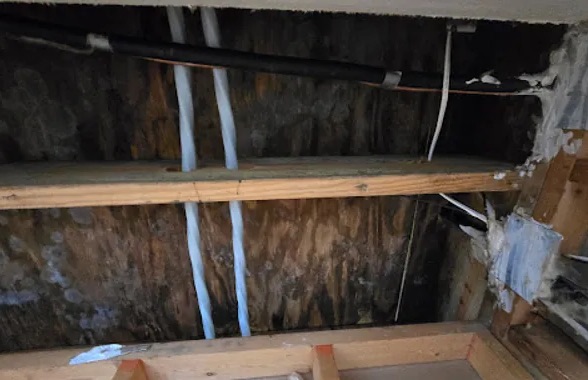
When a storm pushes water through the roof of a Farmington home, the attic is the first place it collects and the hardest place to dry.
Roof leak water removal is available in Farmington and nearby Centerville, Kaysville and Bountiful. The pros tarp the opening if needed, extract the water and dry the attic framing and ceiling drywall.
Roof Leak Water Removal Services in Farmington
Emergency Roof Tarping
When shingles are torn or a branch has punched a hole, the pros cover the opening with a weighted or battened tarp before they start drying the attic.
Attic Water Extraction
In Farmington homes with low attics, extraction is done with compact equipment that fits between joists and over ceiling drywall without stepping through it.
Wall Cavity Drying
Roof leaks often run down inside exterior walls. The pros check wall cavities under the leak and dry them through small holes or by removing the baseboard.
Leak Source Identification
Photos of the entry point, the wet decking and the path of the water give the roofer and your insurer a clear record of the leak.
Ceiling Water Damage Cleanup
If water is trapped above the ceiling, the pros drain it through a small controlled hole, then dry the joists and decide what drywall must come down.
Signs You Need Roof Leak Water Removal
Puddles Under the Ceiling
Water on the floor under a stain or a drip means the ceiling above is already holding more than it can absorb.
Rusty Nails in the Attic
Rust on roofing nails or metal straps in the attic means moisture has been collecting there over many rains.
Damp Baseboards on Exterior Walls
Wet or swelling baseboards under a ceiling stain mean water has traveled down the wall cavity from the attic.
Musty Smell After Rain
A damp, musty smell that gets stronger after storms often means insulation in the attic is staying wet.
How Roof Leak Water Removal Works in Farmington
Step 1: Assess the Leak
The pros look at the roof, attic and ceilings to see how long the leak has been running and what it has soaked.
Step 2: Remove Water and Debris
Water, wet insulation and fallen drywall are cleared out so the attic and room below can dry evenly.
Step 3: Clean Wet Surfaces
Wood and drywall that stayed wet for a day or more are cleaned and treated before drying to limit odor and mold.
Step 4: Monitor Until Dry
Readings are taken on each visit and the equipment is moved as areas dry, until every wet spot reaches its target.
Where Roof Leaks Start in Farmington
Clogged Gutters
Leaves and debris in gutters make water back up at the roof edge, where it seeps under shingles and into the soffit and walls.
Cracked Vent Boots
The rubber collars around plumbing vents dry out and split with age, letting rain drip down the pipe into the attic.
Open Roof Valleys
Valleys carry the most water on a roof. Worn or poorly sealed valleys let that concentrated flow into the decking.
Ice Dam Formation
In freezing weather, ice at the roof edge traps melting snow, and the water backs up under the shingles into the attic.
Roof Leak Water Removal for Homes and Businesses in Farmington
Residential Roof Leak Water Removal
In Farmington, a roof leak in a home usually means a wet attic, a stained bedroom or hallway ceiling and soaked insulation. The pros dry each layer and photograph the damage for your claim.
Commercial Roof Leak Water Removal
On commercial buildings with flat roofs, water can spread across a drop ceiling before it shows. The pros remove wet ceiling tiles, extract the water and dry the space around business hours.
What You Can Do Before Help Starts on a Roof Leak
Move furniture, electronics and rugs out from under the leak, and set buckets under steady drips. Lay towels to keep water from spreading across wood or carpet floors.
What Drives Roof Leak Cleanup Cost in Farmington
Roof leak cleanup is usually priced on the area affected, the equipment used and the days it runs. After-hours calls during a storm can add to the price.
Drying Time
Each extra day of air movers, dehumidifiers and moisture checks adds to the cost, so wet wood that dries slowly costs more.
Emergency Tarping
If the roof needs a tarp before drying can start, the materials and labor for that step add to the bill.
Ceiling Drywall
Ceilings that can be dried in place cost less than ones that sag or crumble and have to be cut out and replaced.
Does Insurance Cover Roof Leak Water Removal?
Many homeowner policies cover sudden roof leaks caused by a storm or falling tree, but not leaks from wear and age. Your insurer decides what is covered.
Why Professional Roof Leak Water Removal Pays Off
Records for Your Claim
Photos, readings and a materials list give your adjuster a clear picture of what the roof leak damaged.
Wet Insulation Handled
Soaked insulation is bagged and removed so the ceiling and framing can dry instead of staying damp under it.
24/7 Help During Storms
Roof leaks happen when it rains, often at night. Help is available around the clock, so tarping and extraction can start once it is safe.
Around-the-Clock Roof Leak Water Removal in Farmington
Roof leaks get worse with every hour of rain. Call (385) 438-8393 any time for tarping, attic extraction and drying in Farmington.
Call Now (385) 438-8393Local Roof Leak Water Removal Coverage for Farmington
Each place listed below has its own page with local details.
- Roof Leak Water Removal in Centerville
- Roof Leak Water Removal in Kaysville
- Roof Leak Water Removal in Bountiful
- Roof Leak Water Removal in Woods Cross
- Roof Leak Water Removal in Layton
- Roof Leak Water Removal in Provo
- Roof Leak Water Removal in Spanish Fork
- Roof Leak Water Removal in Eagle Mountain
Questions About Roof Leak Water Removal
How is water removed from an attic?
Standing water is pulled out with wet vacuums and extractors, then soaked insulation is removed so the ceiling and framing can be dried.
Does every roof leak lead to mold?
No. Mold needs materials to stay wet for a day or more. When water is removed and the attic is dried promptly, mold usually does not take hold.
Can a roof leak cause mold in the attic?
Yes, if the wood and insulation stay wet. Prompt extraction and drying, plus removing soaked insulation, keep the attic from staying damp long enough for mold.
How soon should water removal start after a roof leak?
As soon as possible. Wet drywall and insulation can start to grow mold in 24 to 48 hours, and a ceiling holding water can sag and fall.
What is roof leak water removal?
It is the work of getting rainwater out of the attic, ceiling, walls and floors after a roof leak and drying the structure. The roof repair itself is done by a roofer.