Woods Cross, UT · Davis County
Mold Structural Damage Restoration in Woods Cross, UTMold Damaged Flooring Removal & Structural Wood Mold Treatment
When mold causes structural damage in Woods Cross, Mold Structural Damage Restoration involves mold infested drywall removal, structural wood mold treatment, and HVAC duct mold cleaning.
Answered 24/7
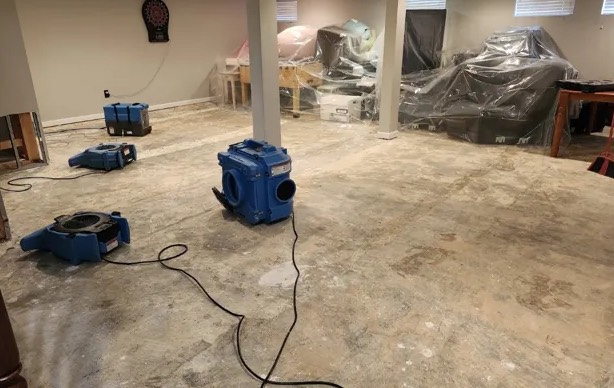
Mold Structural Damage Restoration Solutions in Woods Cross, Utah
In Woods Cross, properties with mold structural damage face issues like compromised indoor air quality and progressive decay of materials like wood and drywall. An inspection shows how far the problem goes.
In Woods Cross, mold that damages structure usually starts with a hidden leak that kept wood wet for months. Local water damage restoration experts, who also work in nearby Bountiful, North Salt Lake and Centerville, stop the decay, remove damaged material and treat the wood that remains.
Mold Structural Damage Restoration Work Provided in Woods Cross
Mold Damaged Flooring Removal
The pros in Woods Cross handle mold under flooring. They pull up material, assess the subfloor, and dispose of contaminated flooring properly.
Structural Wood Mold Treatment
Mold can break down wood fibers over time and weaken framing. Treatment cleans the wood and stops further decay, and badly weakened pieces are replaced.
Subfloor Mold Remediation
Mold under flooring can warp floors. Flooring is pulled up, the subfloor treated and the space dried completely.
Mold Contaminated Insulation Removal
Once mold grows in insulation, it cannot be cleaned. The removal process involves establishing containment, extracting the material, and performing a final air scrub of the space to remove lingering particulate.
Emergency Mold Containment Setup
Containment comes first when mold growth is heavy. It involves sealing off doorways, vents, and other openings with plastic sheeting and establishing negative pressure within the work area for safety.
When to Call for Mold Structural Damage Restoration in Woods Cross
Condensation on Windows or Pipes
Constant high humidity from condensation promotes mold growth on nearby structural materials and insulation.
Discolored or Deteriorating Wood
Structural beams or studs that appear darkened, stained, or soft may have advanced wood mold.
HVAC System With Dusty Smell
Mold in air ducts often circulates a dusty, musty odor whenever the heating or cooling runs.
Insulation That Feels Damp
Wet or compacted attic or wall insulation stops insulating well and often hides mold growth.
How Mold Structural Damage Restoration Works in Woods Cross
Step 1: Detailed Moisture Mapping
Using advanced sensors, the experts create a moisture map of all affected structural areas to guide the entire mold cleanup.
Step 2: HVAC Duct Mold Cleaning
If the HVAC system is contaminated, the ducts are cleaned to stop spores circulating.
Step 3: Contaminated Material Extraction
Mold-contaminated building materials like insulation and drywall are safely removed and disposed of according to local guidelines for mold abatement.
Step 4: Structural Integrity Restoration
Remaining wood and framing are then repaired and treated against new mold.
Typical Sources of Mold Structural Damage
Improper Drying After Water Damage
Incomplete drying after any water incident leaves hidden moisture that turns into mold within days.
Chronic Plumbing Leaks
Slow drips inside walls or under floors provide constant moisture, leading to extensive structural mold damage over time.
Roof Leaks Into Attics
Water intrusion from damaged shingles or flashing soaks insulation and wood, creating ideal mold growth conditions.
Poor Bathroom Ventilation
Shower steam with no exhaust fan leads to moisture buildup on walls and ceilings, encouraging mold.
Residential and Commercial Mold Structural Damage Restoration in Woods Cross
Residential Mold Structural Damage Restoration
Residential mold cleanup often involves delicate materials like plaster and historic wood. The specialists remove drywall and repair the structure while keeping the home's character.
Commercial Mold Structural Damage Restoration
In commercial settings, mold can spread quickly through shared HVAC systems. The experts clean ducts and dry the structure so air circulates safely.
Mold Structural Damage Restoration: Professional Help vs. Home Methods
A property owner can document visible damage by taking clear, dated photos of all affected areas for their insurance claim before any cleanup begins. Since coverage decisions belong entirely to the insurer, they should confirm policy specifics regarding mold structural damage restoration before authorizing any professional work to proceed.
Cost Considerations for Mold Structural Damage Restoration in Woods Cross
The final price reflects the containment needed and how much structural wood must be treated to stop further decay.
Demolition Scope
Removing mold damaged flooring or contaminated insulation increases debris disposal costs and replacement material expenses.
Testing and Verification
Post-remediation mold testing to confirm clearance adds a final step and associated lab analysis fees.
Material Type
Costs differ between treating porous wood studs versus non-porous materials, as each requires specific mold removal and restoration approaches.
Does Insurance Cover Mold Structural Damage Restoration?
Mold damage restoration coverage is a complex insurance matter. Many policies limit or exclude mold unless it originates from a sudden, accidental discharge. The specialists document the structural repairs needed. Ask your insurer about coverage for mold cleanup and drying before work starts.
Why Woods Cross Properties Need Local Mold Remediation Pros for Mold Structural Damage Restoration
Health-Safe Procedures
Containment and air filtration during mold infested drywall removal help protect indoor air quality in your home.
Post-Remediation Verification
A final check confirms spore counts are acceptable after drying and repairs.
IICRC-Standard Remediation
Methods follow industry guidelines for safe mold abatement and structural repair, focusing on containment and proper removal.
24/7 Emergency Mold Structural Damage Restoration in Woods Cross
When structural integrity is threatened by mold, every hour counts. For 24/7 emergency mold removal and drying in Woods Cross, call (385) 438-8393. The pros prioritize stopping active mold to protect the property.
Call Now (385) 438-8393Mold Structural Damage Restoration in Woods Cross and Other Areas Served
The places below are also served, and each one has its own page.
- Mold Structural Damage Restoration in Bountiful
- Mold Structural Damage Restoration in North Salt Lake
- Mold Structural Damage Restoration in Centerville
- Mold Structural Damage Restoration in Rose Park
- Mold Structural Damage Restoration in Farmington
- Mold Structural Damage Restoration in Eagle Mountain
- Mold Structural Damage Restoration in Orem
- Mold Structural Damage Restoration in Provo
Your Mold Structural Damage Restoration Questions Addressed
Why is structural drying a separate phase after mold removal?
Drying removes moisture left from the leak or the remediation, which prevents mold from coming back.
When is HVAC duct mold cleaning recommended?
If an inspection finds mold in the ductwork, it needs to be cleaned so the system does not spread spores through the home.
How is mold contaminated insulation removal performed?
Affected insulation is carefully bagged and removed, the cavity is cleaned and treated, and new insulation is installed only after the area passes mold inspection and is fully dry.
Why is emergency mold containment setup important?
Containment with plastic sheeting and negative air pressure isolates the work area, preventing mold spores from spreading to clean parts of your home during remediation.
What does subfloor mold remediation entail?
It involves accessing the subfloor, assessing damage, removing moldy sections, treating adjacent joists, and installing new subfloor material after structural drying is confirmed.