Sugar House, UT · Salt Lake County
Water-Damaged Flooring Removal in Sugar House, UTWet Carpet Removal & Tile Floor Water Cleanup
Water-Damaged Flooring Removal in Sugar House addresses laminate flooring removal, tile floor water cleanup and subfloor drying services.
Answered 24/7
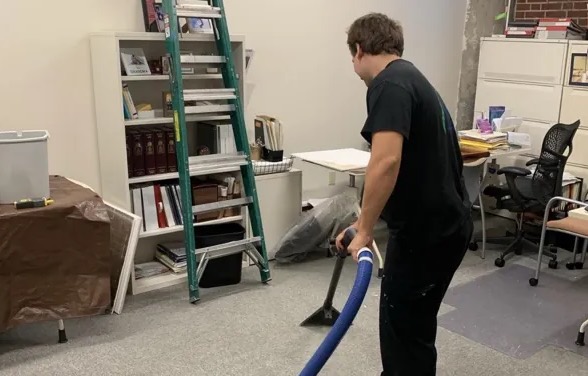
Water-Damaged Flooring Removal Services for Sugar House Residents
Water trapped under flooring in Sugar House soaks the subfloor and starts rot, swelling and odors that spread with every day it stays. Removing ruined flooring lets the structure underneath dry properly.
In Sugar House, a damp subfloor can ruin new flooring installed too soon. Pros use moisture meters to confirm dryness before recommending replacement.
Detailed Water-Damaged Flooring Removal Procedures
Wet Carpet Removal
Pros extract water and remove soaked carpet so the pad and subfloor do not hold moisture in Sugar House homes.
Tile Floor Water Cleanup
Pros check for hollow-sounding or loose tiles, which show the mortar bed has failed and needs drying.
Laminate Flooring Removal
Laminate absorbs water at its edges and core, so swollen planks are removed before subfloor drying.
Emergency Floor Water Extraction
Truck-mounted or portable extractors remove standing water fast, which can reduce how much flooring must go.
Subfloor Drying Services
Drying the subfloor fully prevents squeaks, soft spots and odors after water damage in Sugar House.
Signs That Require Water-Damaged Flooring Removal
Cracked or Peeling Floor Finish
Finish flaking off hardwood or vinyl suggests water has broken down the protective coating.
Vinyl Flooring Seam Separation
Seams pulling apart in vinyl plank or sheet flooring show moisture has weakened it.
Loose or Lifting Floor Tiles
Loose tiles or bubbling laminate planks show the adhesive or core has been weakened by water.
Condensation Under Floor Mats
Dampness under area rugs or mats suggests high moisture in the floor below.
How Water-Damaged Flooring Removal Works in Sugar House
Step 1: Emergency Water Extraction
Truck-mounted or portable extractors remove all standing water from the floor and carpet pad.
Step 2: Flooded Floor Material Removal
Wet carpet, swollen laminate or buckled hardwood is removed carefully and prepared for disposal.
Step 3: Subfloor Drying and Inspection
Air movers and dehumidifiers dry the exposed subfloor while meters track progress to a safe level.
Step 4: Site Preparation for Replacement
The area is cleaned, sanitized if needed and leveled to create a dry base for new flooring.
Typical Reasons for Water-Damaged Flooring Removal in Sugar House
Foundation or Slab Leaks
Cracks in a foundation or slab let groundwater seep up into the flooring above.
Window and Door Seal Failure
Failed seals around windows and doors let rain and melting snow soak interior floors.
Fire Suppression System Activation
An accidental sprinkler discharge releases a large amount of water onto floors quickly.
Roof Leaks During Storms
Rain through a damaged roof often runs down walls and pools on upper floors.
Water-Damaged Flooring Removal for All Properties in Sugar House
Residential Water-Damaged Flooring Removal
After a pipe burst at home, pros extract water from living rooms and bedrooms, assess hardwood and dry the subfloor.
Commercial Water-Damaged Flooring Removal
Restaurant kitchens and locker rooms need tile floors dried with industrial equipment and the damage documented for insurance.
Water-Damaged Flooring Removal vs. DIY: When to Call Water Damage Pros
When a roof leak drips onto hardwood, set out buckets, move furniture and wipe the surface dry. Do not sand swollen boards yourself; they need a professional assessment.
What Influences Water-Damaged Flooring Removal Pricing in Sugar House
How much flooring must come out and any subfloor repair or leveling before new flooring shape the final cost.
Contamination Level
Floodwater with sewage or chemicals requires extra safety steps during the extraction.
Flooring Material Type
Removing wet carpet is simpler than removing hardwood, which needs careful handling.
Water Damage Severity
Heavily soaked materials or long-running leaks take more intensive extraction work and time.
Does Insurance Cover Water-Damaged Flooring Removal?
Sudden events like a burst pipe are often covered for extraction and flooring removal. The final decision on what is covered rests with your adjuster.
Benefits of Hiring Local Pros in Sugar House for Water-Damaged Flooring Removal
Containment and Safety
Containment controls dust and debris during removal, protecting clean rooms in the house.
24/7 Emergency Response
Quick action limits further damage and keeps more flooring from needing removal.
Clear Communication
Each step of removal and drying is explained clearly, with nothing hidden from you.
24/7 Emergency Water-Damaged Flooring Removal in Sugar House
For urgent carpet removal or tile floor water problems, call (385) 438-8393 for 24/7 service. Delays often lead to subfloor rot and higher costs.
Call Now (385) 438-8393Water-Damaged Flooring Removal in Sugar House and Other Areas Served
Other places served are listed below, each with its own page.
- Water-Damaged Flooring Removal in South Salt Lake
- Water-Damaged Flooring Removal in Salt Lake City
- Water-Damaged Flooring Removal in Herriman
- Water-Damaged Flooring Removal in Kearns
- Water-Damaged Flooring Removal in Highland
- Water-Damaged Flooring Removal in Lehi
- Water-Damaged Flooring Removal in West Valley City
- Water-Damaged Flooring Removal in American Fork
Water-Damaged Flooring Removal FAQs
What are signs of vinyl floor water damage?
Buckling, lifting edges, a spongy feel or discoloration show water under the vinyl and adhesive.
Does water always ruin a wood subfloor?
Not if it is dried promptly; proper drying can often save the subfloor and avoid replacing it.
How quickly should wet carpet removal begin?
As soon as possible, ideally within hours, before stains, odors and subfloor damage set in.
What happens during subfloor drying services?
Air movers and dehumidifiers dry the wood subfloor after flooring removal, with readings until it is dry.
Are baseboards affected during this process?
Baseboards often absorb water and may need removal or drying to keep moisture from staying behind walls.