Salt Lake City, UT · Salt Lake County
Contaminated Water Removal in Salt Lake City, UTBlack Water Extraction & Gray Water Damage Cleanup
Contaminated Water Removal in Salt Lake City runs from emergency water mitigation and sewage backup water removal to contaminated carpet removal.
Answered 24/7
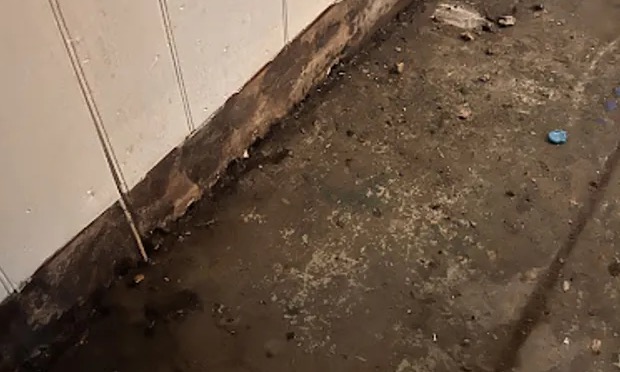
Trusted Contaminated Water Removal Solutions in Salt Lake County
Contaminated Water Removal in Salt Lake City starts with safety. Contaminated water can carry bacteria, chemicals and debris, and wet outlets and slippery floors add risk.
Homeowners in Salt Lake City can call (385) 438-8393 day or night when sewage or dirty water spreads. Service also covers Sugar House, Glendale and Rose Park, with the same safety and cleanup steps.
Complete Contaminated Water Removal Process for Salt Lake City
Black Water Extraction
Black water extraction starts with containment, so contamination is not tracked through the house during cleanup.
Gray Water Damage Cleanup
Gray water from washing machines, dishwashers or sink drains is extracted, and the floors and cabinets it reached are cleaned before drying.
Contaminated Carpet Removal
Contaminated carpet is extracted first to reduce weight and dripping, then removed in sections and disposed of properly.
Emergency Water Mitigation
Help is available any hour, because contaminated water spreads bacteria and odor into more materials the longer it sits.
Toxic Spill Water Removal
Surfaces touched by chemical-laden water are cleaned with products suited to the contaminant before drying.
When to Call for Contaminated Water Removal in Salt Lake City, UT
Gray Water From Appliance Leaks
Water from a washer or dishwasher drain is gray water and needs cleaning, not just drying.
Persistent Wet Carpet Issues
Carpet that stays wet and smells sour after a leak may have turned contaminated over time.
Mold After a Flood
Dark spots on walls or floors after a flood mean contaminated materials have stayed wet too long.
Visible Sewage in Carpet
Carpet with visible waste, debris or brown staining has absorbed contaminated water and must be removed.
How Contaminated Water Removal Works in Salt Lake City
Step 1: Emergency Assessment and Containment
Water use is stopped, power is made safe and the area is sealed off with plastic sheeting.
Step 2: Contaminated Water Extraction
Workers in protective gear extract the water and remove solids and debris.
Step 3: Deep Cleaning and Disinfection
Porous materials such as carpet and drywall are removed, and hard surfaces are scrubbed and disinfected.
Step 4: Drying and Moisture Control
Air movers, dehumidifiers and air scrubbers dry the structure, with readings taken daily.
Common Causes of Water Damage in Salt Lake City
Industrial or Chemical Spills
Spills of fuel, oil or chemicals can mix with water and spread across floors and soil.
Appliance Malfunctions and Leaks
Washers, dishwashers and sink drains leak or back up with soapy, dirty gray water.
Sump Pump Overwhelm or Failure
A sump pump that fails or is overwhelmed lets dirty groundwater rise into the basement.
Severe Sewer Line Blockages
Tree roots, grease and debris block sewer lines and push wastewater back into the home.
Contaminated Water Removal for Homes and Businesses in Salt Lake City, UT
Residential Contaminated Water Removal
Homeowners need to know what can be saved. Hard furniture can often be cleaned, while mattresses, upholstery and carpet soaked by sewage are usually discarded.
Commercial Contaminated Water Removal
Property managers in multi-unit buildings often see backups that affect several units on a shared line. Each unit is cleaned and documented separately.
Hiring Local Pros vs. DIY Contaminated Water Removal in Salt Lake County
Bleach poured on sewage can create harsh fumes and does not clean porous materials. Contaminated carpet, pad and drywall need to be removed, not sprayed.
Estimating Contaminated Water Removal Expenses in Salt Lake County
The pros identify the water source and map the affected area before pricing contaminated water removal in Salt Lake City, then explain each step.
Affected Area Size
Larger contaminated areas need more extraction, more removal of materials, more disinfection and more drying.
Water Source and Volume
A large volume of water, or water from several sources, adds pumping and cleanup time.
Material Removal Needs
Removing and disposing of contaminated carpet, pad and drywall adds labor and fees.
Does Insurance Cover Contaminated Water Removal?
Contaminated items that must be discarded should be listed and photographed before disposal, since insurers usually ask for that record.
Selecting Local Pros in Salt Lake City for Your Contaminated Water Removal
Containment and Sanitization
The area is sealed off and cleaned so contamination stays out of clean rooms.
Structural Drying Expertise
Walls, subfloors and framing are dried after cleaning, not just the visible surfaces.
Moisture Mapping
Meters show where contaminated water spread under flooring, into walls and toward other rooms.
Round-the-Clock Emergency Contaminated Water Removal in Salt Lake County
Night, weekend or holiday, local water extraction experts handle contaminated water in Salt Lake City. Call (385) 438-8393 to get the water out and the area cleaned safely.
Call Now (385) 438-8393Local Contaminated Water Removal Areas Including Salt Lake City
The places below are also served, and each one has its own page.
- Contaminated Water Removal in Sugar House
- Contaminated Water Removal in Glendale
- Contaminated Water Removal in Rose Park
- Contaminated Water Removal in South Salt Lake
- Contaminated Water Removal in American Fork
- Contaminated Water Removal in Pleasant Grove
- Contaminated Water Removal in Saratoga Springs
- Contaminated Water Removal in Lehi
FAQ on Contaminated Water Removal for Salt Lake City Properties
What is the difference between water extraction and restoration?
Extraction removes the water. Restoration includes cleaning, disinfection, drying and preparing the area for repairs.
How does emergency water mitigation help prevent mold?
Removing contaminated water and materials quickly and drying the structure keeps microbial growth from starting.
What should be done while waiting for contaminated water removal?
Stop water use, keep people and pets away, shut off power to wet areas if safe and take photos.
What happens during the drying phase after cleanup?
Air movers and dehumidifiers dry the cleaned structure, and readings are taken daily until it is normal.
What are dehumidification services used for after contaminated water?
Drying walls, floors and framing after cleaning, so cleaned surfaces do not stay damp.