Salt Lake City, UT · Salt Lake County
HVAC Leak Water Removal in Salt Lake City, UTWet Insulation Removal Near HVAC & HVAC Cabinet Water Extraction
HVAC Leak Water Removal in Salt Lake City covers AC condensate leak water removal, HVAC cabinet water extraction, and emergency HVAC leak cleanup.
Answered 24/7
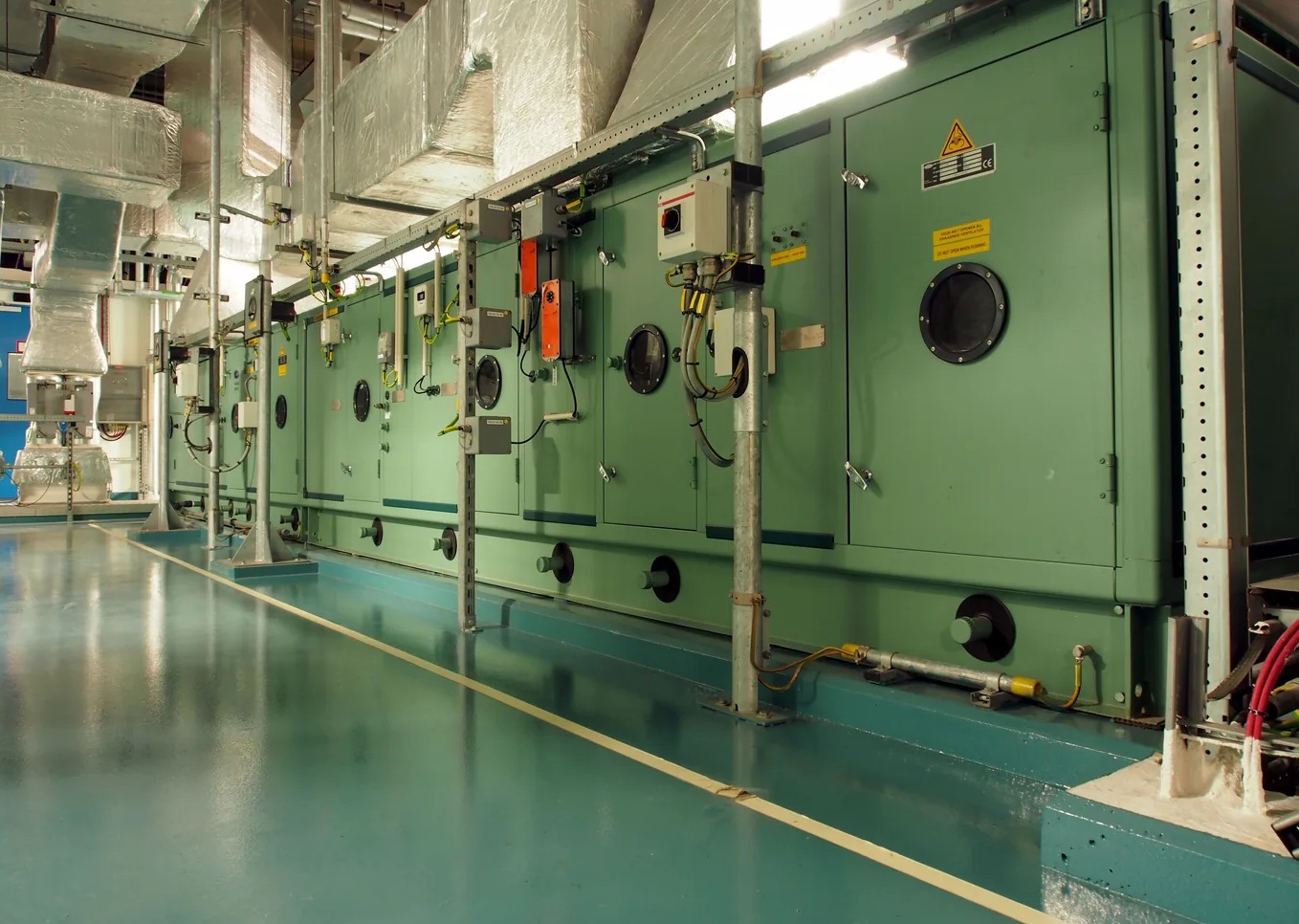
Professional HVAC Leak Water Removal in Salt Lake City, UT
In Salt Lake City, an air conditioner can run most of the day in summer, and the condensate it makes has to go somewhere. When the drain fails, that water soaks insulation, rusts metal and wets the drywall nearby.
When an HVAC leak occurs in Salt Lake City, water needs to come out quickly to protect interior finishes and electrical systems. Local water removal pros serve this community and nearby areas like Sugar House, Glendale and Rose Park, extracting water around the unit and drying wet ductwork before damage spreads.
HVAC Leak Water Removal Service Details in Salt Lake City
Wet Insulation Removal Near HVAC
Saturated insulation near the HVAC unit loses R-value and can foster mold. Removal is often necessary for a proper dry-out.
HVAC Cabinet Water Extraction
Water inside an HVAC cabinet sits right next to wiring and the blower. Power is shut off first, then the water is pulled out with small wet vacuums made for tight spaces.
AC Condensate Leak Water Removal
A rusted or cracked condensate pan leaks directly from the AC coil. Prompt water removal prevents corrosion and electrical hazards.
Ductwork Condensation Water Removal
Cold air inside ducts meeting warm, humid air causes sweating and droplets. Condensation soaks insulation and damages ceiling materials.
Coil Leak Water Damage Repair
Coil leak water damaging drywall or cabinetry needs repairs after drying. Restoration pros coordinate drying to prepare for reconstruction.
Warning Signs You Need HVAC Leak Water Removal
Unusual Sounds From the AC Unit
Gurgling, dripping, or hissing noises from the indoor unit frequently accompany a condensate drainage failure.
Visible Rust on Metal Components
Rust forming on the evaporator coil cabinet, drain pan, or supports indicates prolonged moisture exposure.
High Indoor Humidity Levels
A home feeling persistently muggy can mean the HVAC system is not properly removing airborne moisture.
Wet or Sagging Insulation Nearby
Damp insulation around an attic unit or in nearby walls holds water against the drywall and framing.
How HVAC Leak Water Removal Works in Salt Lake City
Step 1: Emergency Assessment and Water Extraction
The pros stop the water at the unit and extract the standing water from the cabinet, the closet floor and any wet carpet.
Step 2: System Inspection and Moisture Mapping
Moisture meters and thermal cameras show where water went, including wet insulation and duct sections, and the drying plan is built from that.
Step 3: Targeted Drying and Dehumidification
Air movers and dehumidifiers are placed to dry the walls, ceiling, floor and duct runs that got wet.
Step 4: Cleaning and Final Verification
Affected surfaces and HVAC components are cleaned. Final moisture readings confirm the area is dry.
Typical Reasons for HVAC Leak Water Removal in Salt Lake City
Cracked or Disconnected Drain Pan
A damaged or misaligned secondary drain pan beneath the evaporator coil fails to catch condensation overflow.
Failed Condensate Pump
A condensate pump that fails in an attic or utility room cannot move water to the drain, so the reservoir overflows.
Worn Gaskets or Seal Failures
Worn seals around access panels or coil sections let water escape the cabinet instead of reaching the pan.
Excessive Ductwork Condensation
Poorly insulated ducts in humid spaces sweat and drip water into walls, ceilings and insulation.
HVAC Leak Water Removal for All Properties in Salt Lake City
Residential HVAC Leak Water Removal
In homes, an AC condensate leak can rot subfloor and baseboards if it is left. The pros dry the tight spaces around the unit and record the damage for insurance.
Commercial HVAC Leak Water Removal
A flooded HVAC unit in a commercial building needs a coordinated response. The pros manage large-volume extraction, coordinate with facility managers, and implement drying protocols.
HVAC Leak Water Removal vs. DIY: When to Call Local Pros
If a condensate pump is involved, check that it is plugged in and listen for operation. Ensure the discharge tube is not kinked. Do not disassemble the pump. For a leaking AC unit repair involving the coil or refrigerant, specialized training is required.
Understanding HVAC Leak Water Removal Costs in Salt Lake City
For AC water damage, the number of drying days and the number of air movers and dehumidifiers drive most of the cost. HVAC repairs are billed separately.
Leak Source and Severity
Whether the leak came from a drain line, the coil or the pan changes how much water there is and where it went.
Drying Time and Equipment
The number of days ducts and materials take to dry decides how long the dehumidifiers run.
Extent of Water Spread
Water from a leaking AC can travel along ducts and inside walls, which makes the drying area larger.
Does Insurance Cover HVAC Leak Water Removal?
Policies often cover damage from a sudden leak but not wear and tear or a drain that was never cleaned. Photos and drying records help your adjuster review the claim.
Advantages of Local Pros for HVAC Leak Water Removal in Salt Lake City
Focused on System Integrity
The goal is a dry unit area and dry materials around it, so the system can run safely again.
IICRC-Standard Drying Methods
Drying follows industry standards so the unit area, ducts and walls are dry before the system runs again.
Containment and Air Filtration
The work area can be closed off so dust and moist air do not spread while wet materials are removed.
Urgent HVAC Leak Water Removal Response in Salt Lake City
A major condensation leak can quickly wet insulation and drywall. If you need emergency water removal for a leaking AC unit, call (385) 438-8393 now.
Call Now (385) 438-8393Areas Served for HVAC Leak Water Removal from Salt Lake City
The places below are also served, and each one has its own page.
- HVAC Leak Water Removal in Sugar House
- HVAC Leak Water Removal in Glendale
- HVAC Leak Water Removal in Rose Park
- HVAC Leak Water Removal in South Salt Lake
- HVAC Leak Water Removal in American Fork
- HVAC Leak Water Removal in Pleasant Grove
- HVAC Leak Water Removal in Saratoga Springs
- HVAC Leak Water Removal in Lehi
Frequently Asked Questions About HVAC Leak Water Removal
Can wet insulation near HVAC be saved?
Often, yes. Wet insulation loses its value and is hard to dry in tight spaces, so it is usually removed and replaced once the area is dry.
What's the difference between water extraction and drying?
Extraction removes the liquid water. Drying uses dehumidifiers and air movers to pull out the moisture left in insulation, drywall and wood.
What happens during coil leak water damage repair?
The pros remove the water and dry the coil area. The coil itself is serviced or replaced by an HVAC contractor to stop the leak.
Is emergency HVAC leak cleanup necessary?
It is when water is spreading. Removing it early keeps it from reaching walls, ceilings and the rooms nearby, which keeps the damage smaller.
How long does wet ductwork drying typically take?
It depends on how much water there is and how easy it is to reach. Most jobs take two to four days of drying with commercial equipment.