White City, UT · Salt Lake County
Whole-Building Fire & Smoke Odor Removal in White City, UTFire Damaged Material Removal & HVAC Duct Smoke Cleaning
Whole-Building Fire & Smoke Odor Removal in White City pairs whole-house air scrubbing, HVAC duct smoke cleaning, and fire damaged material removal.
Answered 24/7
Complete Whole-Building Fire & Smoke Odor Removal for White City Homes & Businesses
After a fire, smoke odor soaks into drywall, wood, fabric, and the air itself. Whole-building deodorization specialists use fogging and ozone to break down odor at its source instead of covering it.
For homes in White City and nearby Sandy Heights, Sandy Hills and Dimple Dell, treating the air alone is not enough because odor binds to surfaces. Local pros clean, deodorize, and then seal porous materials.
Whole-Building Deodorization Process
Fire Damaged Material Removal
Charred drywall, melted synthetics, and soaked insulation are removed first, since these materials hold the strongest odor.
HVAC Duct Smoke Cleaning
Pros clean ducts with brushes, vacuums, and cleaning agents, from the main trunks to each register, so soot is not blown back into rooms.
Whole-House Air Scrubbing
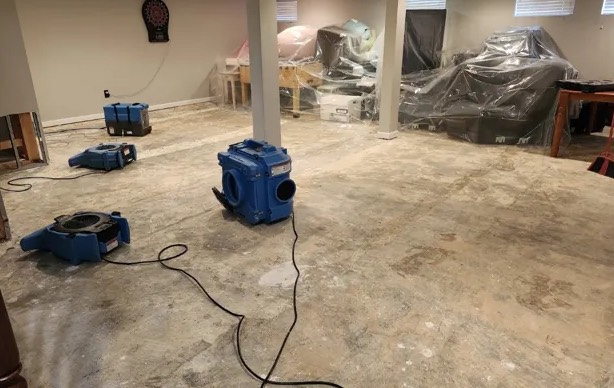
HEPA and carbon filters in industrial air scrubbers capture fine soot and odor particles from every room before they settle on curtains and upholstery.
Surface Sealing for Residual Odor
Pros find surfaces that absorbed smoke and still smell after cleaning, then coat them so odor cannot seep back out.
Air Scrubbing for Whole Buildings
For larger buildings, several air scrubbers run at once so the entire air supply passes through high-efficiency filters.
How to Tell If You Need Whole-Building Fire & Smoke Odor Removal
Soot in Electrical Outlets
Fine soot inside outlets and behind switch plates shows smoke reached into wall cavities, not just room surfaces.
Stinging Sensation in Eyes or Throat
Stinging eyes or a scratchy throat indoors can come from smoke particles still in the air after the fire is out.
Soot Residue on Walls and Ceilings
Black or gray soot on walls and ceilings shows smoke residue that household cleaners tend to smear rather than remove.
Odor Returns After Opening Windows
When airing out the house does not clear the smell, smoke odor has worked its way into walls, floors, or furniture.
How Whole-Building Fire & Smoke Odor Removal Works in White City
Step 1: Source Removal and Cleaning
Burned materials are removed first, and electrostatic cleaning lifts soot from the walls and ceilings that remain.
Step 2: HVAC Duct Smoke Cleaning
The ductwork and air handler are cleaned so the HVAC system stops moving smoky air through the building.
Step 3: Ozone Treatment for Smoke Odor
Ozone generators run in the closed, empty building to break down the odor compounds that remain.
Step 4: Final Air Quality Verification
Pros check the building for any remaining smoke odor before it is reoccupied and the job is closed out.
Why Smoke Smells Linger After a Fire
Contaminated HVAC Ductwork
An HVAC system running during a fire pulls smoky air into the ducts and coats their insides with soot.
Improper Initial Odor Mitigation
Air fresheners and surface cleaners only cover the smell and leave the residue that causes it in place.
Smoke Penetration Into Porous Materials
Smoke odor soaks deep into drywall, wood, and insulation, which then release the smell for months if left untreated.
Burning of Synthetic Materials
Burning furniture and plastics produce thick, oily smoke that leaves a sticky, strong-smelling residue on every surface.
Comprehensive Odor Solutions for Any Building
Residential Whole-Building Fire & Smoke Odor Removal
In homes, every living space usually needs treatment. Local pros run air scrubbers and clean contents so bedrooms, closets, and belongings stop smelling of smoke.
Commercial Whole-Building Fire & Smoke Odor Removal
Businesses need odor gone before reopening. Fire restoration professionals clean the ducts and fog lobbies, offices, and stock rooms so customers and staff are not met by smoke smell.
Whole-Building Fire & Smoke Odor Removal vs. DIY Odor Removal Methods
Wash dishes, glassware, and metal fixtures that have a smoky film. Do not run ozone machines yourself in occupied spaces; whole-house odor needs professional air scrubbing and treatment.
Understanding Whole-Building Fire & Smoke Odor Removal Cost Factors
Sealing porous surfaces after cleaning adds material and labor, but it keeps any trace odor from coming back later.
Building Square Footage
Larger buildings need more labor time and more deodorizing solution to cover every room.
Deodorization Method Required
Thermal fogging and ozone treatment use different equipment, and some jobs need both methods.
Severity of Smoke Penetration
Heavy smoke residue needs more cleaning passes and repeat treatments than light surface soot does.
Does Insurance Cover Whole-Building Fire & Smoke Odor Removal?
Your policy terms decide coverage. The professionals prepare a written scope with photos to submit with your claim; discuss the process with your insurer.
Why Choose Local Specialists for Whole-Building Fire & Smoke Odor Removal
IICRC-Standard Deodorization Methods
Pros follow established smoke odor protocols, treating odor at its source instead of covering it with fragrance.
Comprehensive Odor Attack Plan
Air scrubbing, fogging, and sealing together treat both airborne odor and odor held inside materials.
Specialized Odor Removal Equipment
Ozone generators, thermal foggers, and HEPA scrubbers are built for odor work that household tools cannot do.
Around-the-Clock Help for Smoke Damage in White City, UT
Deodorizing works better before odor settles deep into walls and furniture. Call (385) 438-8393 at any hour for an initial assessment of the smoke damage.
Call Now (385) 438-8393Areas Served for Whole-Building Fire & Smoke Odor Removal
Each place listed below has its own page with local details.
- Whole-Building Fire & Smoke Odor Removal in Sandy Heights
- Whole-Building Fire & Smoke Odor Removal in Sandy Hills
- Whole-Building Fire & Smoke Odor Removal in Dimple Dell
- Whole-Building Fire & Smoke Odor Removal in Pepperwood
- Whole-Building Fire & Smoke Odor Removal in Draper
- Whole-Building Fire & Smoke Odor Removal in Granite
- Whole-Building Fire & Smoke Odor Removal in Cottonwood Heights
- Whole-Building Fire & Smoke Odor Removal in Little Cottonwood Creek Valley
Your Whole-Building Fire & Smoke Odor Removal Questions Addressed
What happens during content decontamination and cleaning?
Belongings are listed, cleaned with methods suited to each material, and often deodorized so they can be kept instead of discarded.
What's the difference between cleaning and deodorizing?
Cleaning removes visible soot residue, while deodorizing breaks down the odor molecules left behind. Most fire jobs need both steps.
What is whole-building fire and smoke odor removal?
It is a process that removes smoke smell from every part of a structure, using air scrubbing, fogging, and duct cleaning to treat air and materials.
Can fire smells come back after treatment?
They can if treatment is incomplete. Cleaning the ducts and sealing porous surfaces keeps odor from coming back after the work.
How effective is electrostatic soot removal?
Charged cleaning solutions attract fine soot and lift it off surfaces, which prepares them for deodorizing and paint.