Midvale, UT · Salt Lake County
Mold Structural Damage Restoration in Midvale, UTPost-Remediation Structural Drying & Mold Damaged Flooring Removal
Mold Structural Damage Restoration in Midvale often includes mold damaged flooring removal, post-remediation structural drying and structural wood mold treatment.
Answered 24/7
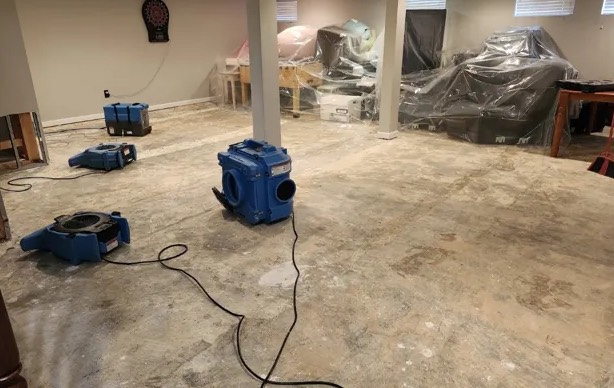
Mold Structural Damage Restoration Services for Salt Lake County
For homes in Midvale, restoration is needed when water lets mold grow and weaken building materials. Drying after remediation leaves no moisture for new mold.
In Midvale, mold that damages structure usually starts with a hidden leak that kept wood wet for months. Local water damage restoration experts, who also work in nearby West Jordan, Sandy Heights and Murray, stop the decay, remove damaged material and treat the wood that remains.
Mold Structural Damage Restoration Services in Midvale
Post-Remediation Structural Drying
Structural drying removes the latent moisture that initially caused the mold problem. The process employs high-volume airflow and desiccant dehumidification to dry wall cavities, subfloors, and framing from the inside out.
Mold Damaged Flooring Removal
When mold damages flooring, the aesthetic surface is often just the tip of the problem. The removal process is methodical, prioritizing containment to prevent spore dispersal throughout your home during demolition.
HVAC Duct Mold Cleaning
Dark, damp ductwork is a common place for mold. Cleaning uses tools that reach deep into the system and remove mold without blowing it into the living space.
Mold Contaminated Insulation Removal
Wet, moldy insulation loses thermal resistance and must be removed. The process involves extraction using vacuum systems and sealed disposal bags. The cavity is then cleared for new insulation.
Subfloor Mold Remediation
For properties in Midvale, subfloor mold remediation is common. Local mold remediation pros follow a protocol to excavate damage and document conditions.
Symptoms Requiring Mold Structural Damage Restoration in Midvale
Recent Water Damage Stains
Discolored ceilings or walls from past leaks can create the perfect environment for mold.
Visible Mold Patches on Walls
Dark spots or fuzzy mold on drywall or wood surfaces indicate active mold damage behind the surface.
Insulation That Feels Damp
Wet or compacted attic or wall insulation stops insulating well and often hides mold growth.
Warping or Bubbling Drywall
When drywall softens, bulges, or shows bubbles, moisture and mold are likely inside the cavity.
How Mold Structural Damage Restoration Works in Midvale
Step 1: Detailed Moisture Mapping
Using advanced sensors, the experts create a moisture map of all affected structural areas to guide the entire mold cleanup.
Step 2: HVAC Duct Mold Cleaning
If the HVAC system is contaminated, the ducts are cleaned to stop spores circulating.
Step 3: Contaminated Material Extraction
Mold-contaminated building materials like insulation and drywall are safely removed and disposed of according to local guidelines for mold abatement.
Step 4: Structural Integrity Restoration
Remaining wood and framing are then repaired and treated against new mold.
Common Causes of Mold Structural Damage
Foundation Water Seepage
Groundwater or poor drainage can wet subfloors and support posts, causing mold in crawl spaces and basements.
Leaking Window or Door Seals
Failed caulking or seals allow rainwater intrusion into wall cavities, leading to mold on framing and insulation.
Condensation in HVAC Ducts
Temperature differences in ductwork can create condensation, leading to mold growth inside the air distribution system.
Poor Bathroom Ventilation
Shower steam with no exhaust fan leads to moisture buildup on walls and ceilings, encouraging mold.
Mold Structural Damage Restoration for All Property Types in Midvale
Residential Mold Structural Damage Restoration
Residential mold cleanup often involves delicate materials like plaster and historic wood. The specialists remove drywall and repair the structure while keeping the home's character.
Commercial Mold Structural Damage Restoration
In commercial settings, mold can spread quickly through shared HVAC systems. The experts clean ducts and dry the structure so air circulates safely.
Mold Structural Damage Restoration: Professional Help vs. Home Methods
You can safely improve ventilation by using exhaust fans and dehumidifiers to lower general humidity after a minor spill. Active mold or water damage inside walls needs a professional inspection and drying.
Pricing for Mold Structural Damage Restoration in Midvale
Labor for drywall removal or subfloor treatment shapes the scope in Midvale. The amount of material requiring treatment or replacement is another primary factor in the project's requirements.
Structural Drying
Post-remediation structural drying duration and the number of air movers or dehumidifiers needed influence the overall timeline and cost.
Emergency Response
After-hours or weekend work to set up mold containment may cost more than scheduled work.
Testing and Verification
Post-remediation mold testing to confirm clearance adds a final step and associated lab analysis fees.
Does Insurance Cover Mold Structural Damage Restoration?
Whether a policy covers mold damage restoration hinges on the cause listed. The experts in Midvale provide detailed documentation of structural damage for a homeowner to submit to their insurer. Review your policy, since your insurer makes all payment decisions.
Why Choose Local Experts for Mold Structural Damage Restoration in Midvale
24/7 Emergency Response
Help is available to set up emergency mold containment and prevent further structural damage spread.
Thorough Drying Protocols
Post-remediation structural drying uses industrial equipment to remove residual moisture from rebuilt cavities and materials.
Post-Remediation Verification
A final check confirms spore counts are acceptable after drying and repairs.
24/7 Emergency Mold Structural Damage Restoration in Midvale
When structural integrity is threatened by mold, every hour counts. For 24/7 emergency mold removal and drying in Midvale, call (385) 438-8393. The experts prioritize stopping active mold to protect the property.
Call Now (385) 438-8393Mold Structural Damage Restoration Provided Throughout Salt Lake County
Other places served are listed below, each with its own page.
- Mold Structural Damage Restoration in West Jordan
- Mold Structural Damage Restoration in Sandy Heights
- Mold Structural Damage Restoration in Murray
- Mold Structural Damage Restoration in Sandy Hills
- Mold Structural Damage Restoration in Taylorsville
- Mold Structural Damage Restoration in South Jordan
- Mold Structural Damage Restoration in Riverton
- Mold Structural Damage Restoration in South Jordan Heights
FAQ on Mold Structural Damage Restoration in Midvale
What is involved in mold structural damage restoration?
It includes assessment, containment, removal of moldy materials, treatment of the remaining structure, drying and final testing.
Can mold remediation and structural repair happen simultaneously?
The order matters: removal and containment come first, then structural drying, then any structural repairs.
Why is structural drying a separate phase after mold removal?
Drying removes moisture left from the leak or the remediation, which prevents mold from coming back.
Why is emergency mold containment setup important?
Containment with plastic sheeting and negative air pressure isolates the work area, preventing mold spores from spreading to clean parts of your home during remediation.
What happens during post-remediation structural drying?
After mold removal and repairs, industrial dehumidifiers and air movers dry out new materials and adjacent structures to prevent residual moisture from causing new mold growth.