Sandy Heights, UT · Salt Lake County
Mold Structural Damage Restoration in Sandy Heights, UTPost-Remediation Structural Drying & Mold Infested Drywall Removal
When mold causes structural damage in Sandy Heights, Mold Structural Damage Restoration involves mold infested drywall removal, structural wood mold treatment, and HVAC duct mold cleaning.
Answered 24/7
Local Mold Structural Damage Restoration for Sandy Heights Homes
In Sandy Heights, mold that has grown deep into walls or floors becomes a structural repair. Delaying action can escalate repair complexity and cost.
In Sandy Heights and nearby communities like White City, Sandy Hills and Dimple Dell, moldy drywall and ducts must be removed or cleaned. Local structural damage restoration pros handle these tasks. The water damage restoration experts in Sandy Heights remove only what cannot be saved and clean or restore the rest whenever practical.
Mold Structural Damage Restoration Work Provided in Sandy Heights
Post-Remediation Structural Drying
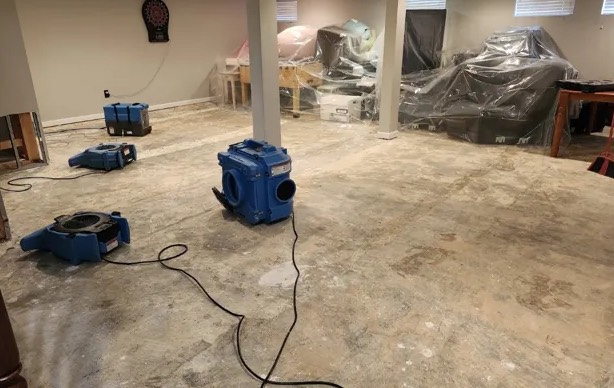
Drying after remediation keeps mold from returning. The pros set up targeted drying systems to eliminate residual moisture.
Mold Infested Drywall Removal
Mold growth on drywall signals that moisture has penetrated the material. The removal process involves precise cutting, bagging the debris onsite, and thorough cleaning of the adjacent surfaces. The mold is removed, not just covered up.
Emergency Mold Containment Setup
Containment comes first when mold growth is heavy. It involves sealing off doorways, vents, and other openings with plastic sheeting and establishing negative pressure within the work area for safety.
Structural Wood Mold Treatment
Mold can break down wood fibers over time and weaken framing. Treatment cleans the wood and stops further decay, and badly weakened pieces are replaced.
Mold Contaminated Insulation Removal
In homes throughout the Sandy Heights community in Sandy, attic or wall insulation often holds hidden mold. The pros conduct thorough removal to address both mold and moisture.
Symptoms Requiring Mold Structural Damage Restoration in Sandy Heights
Discolored or Deteriorating Wood
Structural beams or studs that appear darkened, stained, or soft may have advanced wood mold.
Allergy Symptoms Indoors
Sudden worsening of coughs, itchy eyes, or congestion at home can be a reaction to mold spores.
Musty Odors in Specific Rooms
A persistent earthy smell often signals hidden mold growth within walls, floors, or HVAC systems.
Insulation That Feels Damp
Wet or compacted attic or wall insulation stops insulating well and often hides mold growth.
How Mold Structural Damage Restoration Works in Sandy Heights
Step 1: Emergency Response and Evaluation
Upon quick action, the specialists assess the scope of structural damage and plan the mold damage restoration process.
Step 2: Active Mold Growth Removal
Pros physically remove all visible mold colonies and the porous materials they grow on, such as during mold contaminated insulation removal.
Step 3: Antimicrobial Application and Treatment
After removal, approved antimicrobials are applied to remaining structural surfaces to inhibit any residual mold spores from reactivating.
Step 4: Air Quality Clearance Testing
Air samples may be taken afterward to confirm spore counts are safe.
Causes of Mold Structural Damage
Leaking Window or Door Seals
Failed caulking or seals allow rainwater intrusion into wall cavities, leading to mold on framing and insulation.
Roof Leaks Into Attics
Water intrusion from damaged shingles or flashing soaks insulation and wood, creating ideal mold growth conditions.
High Indoor Humidity Levels
Consistent humidity above 60 percent allows mold spores on surfaces to germinate and colonize materials.
Foundation Water Seepage
Groundwater or poor drainage can wet subfloors and support posts, causing mold in crawl spaces and basements.
Mold Structural Damage Restoration for All Property Types in Sandy Heights
Residential Mold Structural Damage Restoration
Household mold damage restoration frequently starts in bathrooms, kitchens, and basements where moisture is common. The pros treat the subfloor and remove the mold at its source.
Commercial Mold Structural Damage Restoration
For schools or medical facilities, strict protocols govern mold remediation. Pros remove black mold and repair the structure to keep occupants safe and meet code.
Mold Structural Damage Restoration vs. DIY: When to Call Local Experts
Before the pros get there, you can remove easily accessible personal items from the affected room to speed up their work. Do not attempt mold infested drywall removal or structural wood treatment yourself, as this requires containment and specialized tools.
Understanding Mold Structural Damage Restoration Costs in Sandy Heights
Price depends on how much moldy material must be removed and how complex the repairs to load-bearing parts are.
Demolition Scope
Removing mold damaged flooring or contaminated insulation increases debris disposal costs and replacement material expenses.
Containment Level
Establishing negative air pressure and sealing off work zones adds to the project scope and required equipment.
Emergency Response
After-hours or weekend work to set up mold containment may cost more than scheduled work.
Does Insurance Cover Mold Structural Damage Restoration?
Whether a policy covers mold damage restoration hinges on the cause listed. The experts in Sandy Heights provide detailed documentation of structural damage for a homeowner to submit to their insurer. Review your policy, since your insurer makes all payment decisions.
Why Sandy Heights Properties Need Local Experts for Mold Structural Damage Restoration
Clear Scope Communication
You receive a clear explanation of necessary steps, from mold contaminated insulation removal to final repairs.
Post-Remediation Verification
A final check confirms spore counts are acceptable after drying and repairs.
Detailed Damage Documentation
Pros document all affected areas with photos and moisture data, which can assist in your insurance claim process.
Round-the-Clock Emergency Mold Structural Damage Restoration for Sandy Heights
When structural integrity is threatened by mold, every hour counts. For 24/7 emergency mold removal and drying in Sandy Heights, call (385) 438-8393. The experts prioritize stopping active mold to protect the property.
Call Now (385) 438-8393Mold Structural Damage Restoration Provided Throughout Salt Lake County
Other places served are listed below, each with its own page.
- Mold Structural Damage Restoration in White City
- Mold Structural Damage Restoration in Sandy Hills
- Mold Structural Damage Restoration in Dimple Dell
- Mold Structural Damage Restoration in Little Cottonwood Creek Valley
- Mold Structural Damage Restoration in Midvale
- Mold Structural Damage Restoration in Granite
- Mold Structural Damage Restoration in Cottonwood Heights
- Mold Structural Damage Restoration in Draper
Your Mold Structural Damage Restoration Questions Addressed
What are signs of structural damage from water damage mold?
Signs include soft or warped wood, sagging floors or ceilings, crumbling drywall, and musty odors, indicating moisture has compromised the material's integrity.
What is involved in mold structural damage restoration?
It includes assessment, containment, removal of moldy materials, treatment of the remaining structure, drying and final testing.
Why is structural drying a separate phase after mold removal?
Drying removes moisture left from the leak or the remediation, which prevents mold from coming back.
Can structural wood mold treatment save damaged beams?
If the damage is only on the surface, cleaning and antimicrobial treatment can often save the wood. Badly weakened load-bearing members may need to be reinforced or replaced by a contractor.
Is mold infested drywall removal always necessary?
Drywall is porous and typically cannot be salvaged once mold is inside. Removal and replacement are standard to eliminate the mold reservoir and allow for structural drying.