Daybreak, UT · Salt Lake County
Roof Leak Water Removal in Daybreak, UTAttic Water Extraction & Ceiling Water Damage Cleanup
When rain gets into a Daybreak attic, roof leak water removal means emergency roof tarping, attic water extraction and structural drying services.
Answered 24/7
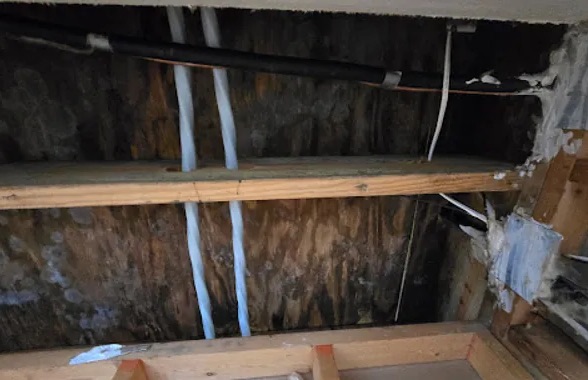
Roof Leak Cleanup and Drying in Daybreak
A roof leak rarely stays in one spot. Rain soaks the decking, runs along rafters, pools on the ceiling drywall and can drip into walls before a stain shows in the room below.
Roof leak water removal is available in Daybreak and nearby Herriman, South Jordan Heights and Riverton. The pros tarp the opening if needed, extract the water and dry the attic framing and ceiling drywall.
Roof Leak Water Removal Work in Daybreak
Attic Water Extraction
Water that pools on attic floors, vapor barriers or ceiling drywall is pulled out with wet vacuums and portable extractors before it soaks through to the room below.
Ceiling Water Damage Cleanup
Ceiling cleanup covers the drywall, texture and any wet insulation resting on it. Readings decide whether a panel can be dried in place or must be replaced.
Emergency Roof Tarping
When shingles are torn or a branch has punched a hole, the pros cover the opening with a weighted or battened tarp before they start drying the attic.
Wet Contents Protection
Furniture, rugs and boxes under the leak are moved, blocked up or covered. Wet items are listed and photographed before they are dried or set aside.
Wet Insulation Removal
Insulation that only got damp at the edges may dry in place. Material that is matted, stained or smells musty is taken out and replaced after drying.
Roof Leak Warning Signs in Daybreak
Water Stains on the Ceiling
Brown or yellow rings on the ceiling, often growing after each rain, mean water is reaching the drywall from above.
Sagging or Bulging Drywall
A ceiling that bulges or feels soft is holding water. It can give way, so keep people and pets out of the room.
Wet or Flattened Insulation
Insulation that is matted, stained or damp to the touch in the attic means rain is getting past the roof deck.
Peeling Paint on Upper Walls
Bubbling or peeling paint near the ceiling line on exterior walls points to water running down inside the wall.
How Roof Leak Water Removal Works in Daybreak
Step 1: Protect the Rooms Below
Furniture and belongings under the leak are moved or covered, and floors are protected before any ceiling work begins.
Step 2: Drain and Open the Ceiling
Water trapped above the ceiling is drained through a small hole, and soft drywall is removed to reach the wet cavity.
Step 3: Dry Walls and Framing
Wall cavities under the leak are checked and dried along with the joists and top plates the water ran across.
Step 4: Document for the Claim
Photos, moisture logs and a list of removed materials are put together for you to share with your insurer.
Where Roof Leaks Start in Daybreak
Open Roof Valleys
Valleys carry the most water on a roof. Worn or poorly sealed valleys let that concentrated flow into the decking.
Attic Condensation
Warm, humid indoor air meeting a cold roof deck in winter forms frost and drips that can look like a leak and soak insulation.
Worn Flashing
Flashing around chimneys, skylights and wall joints can crack, rust or pull loose, and water runs in along the gap.
Cracked Vent Boots
The rubber collars around plumbing vents dry out and split with age, letting rain drip down the pipe into the attic.
Roof Leaks in Daybreak Homes and Commercial Buildings
Residential Roof Leak Water Removal
For homeowners, drying the attic and ceiling before stains spread can save the drywall. Moisture readings show what can stay and what has to come out.
Commercial Roof Leak Water Removal
Property managers get moisture readings and photos for each affected unit or suite, which helps when several tenants and an owner's insurer are involved.
Roof Leak Cleanup: DIY or Professional in Daybreak
Take photos and video of the ceiling, attic and wet belongings before anything is moved or thrown out. Your insurer will want them for the claim.
Factors in Roof Leak Water Removal Cost in Daybreak
In Daybreak, the biggest cost drivers after a roof leak are wet insulation, wet ceiling drywall and how hard the attic is to work in.
Belongings in the Way
Moving and drying furniture, stored boxes and electronics under the leak adds time to the job.
Attic Access
Low, tight attics with little floor to stand on take longer to work in than open attics with a walkway.
Ceiling Drywall
Ceilings that can be dried in place cost less than ones that sag or crumble and have to be cut out and replaced.
Does Insurance Cover Roof Leak Water Removal?
Many homeowner policies cover sudden roof leaks caused by a storm or falling tree, but not leaks from wear and age. Your insurer decides what is covered.
Why Roof Leaks Need Professional Drying in Daybreak
Records for Your Claim
Photos, readings and a materials list give your adjuster a clear picture of what the roof leak damaged.
Drying to Measured Targets
Drying stops only when meters show the wood and drywall are dry, not when the surface looks dry.
24/7 Help During Storms
Roof leaks happen when it rains, often at night. Help is available around the clock, so tarping and extraction can start once it is safe.
Emergency Roof Leak Help in Daybreak, UT
Do not wait for a dry day to deal with a roof leak. Call (385) 438-8393 24/7 to stop the water and start drying the attic and ceilings.
Call Now (385) 438-8393Local Roof Leak Water Removal Coverage for Daybreak
Other places served are listed below, each with its own page.
- Roof Leak Water Removal in Herriman
- Roof Leak Water Removal in Highland
- Roof Leak Water Removal in South Salt Lake
- Roof Leak Water Removal in Kearns
- Roof Leak Water Removal in Sugar House
- Roof Leak Water Removal in Lehi
- Roof Leak Water Removal in West Valley City
- Roof Leak Water Removal in American Fork
Common Questions After a Roof Leak
What is roof leak water removal?
It is the work of getting rainwater out of the attic, ceiling, walls and floors after a roof leak and drying the structure. The roof repair itself is done by a roofer.
How do the pros find where a roof is leaking?
They trace the water from the stain up into the attic, follow it along the rafters and decking, and use moisture meters to find the entry point.
Why should rainwater be removed from the attic quickly?
Water in the attic soaks through the ceiling into the rooms below and keeps the framing wet. Removing it early limits drywall and insulation losses.
Is it safe to stay in a room with a wet ceiling?
Keep people out from under a ceiling that sags or drips. Turn off power to wet light fixtures until the ceiling has been checked.
How soon should water removal start after a roof leak?
As soon as possible. Wet drywall and insulation can start to grow mold in 24 to 48 hours, and a ceiling holding water can sag and fall.