South Salt Lake, UT · Salt Lake County
Roof Leak Water Removal in South Salt Lake, UTStructural Drying Services & Attic Water Extraction
For roof leak water removal in South Salt Lake, local restoration pros handle attic water extraction, wet insulation removal, structural drying services and leak source identification.
Answered 24/7
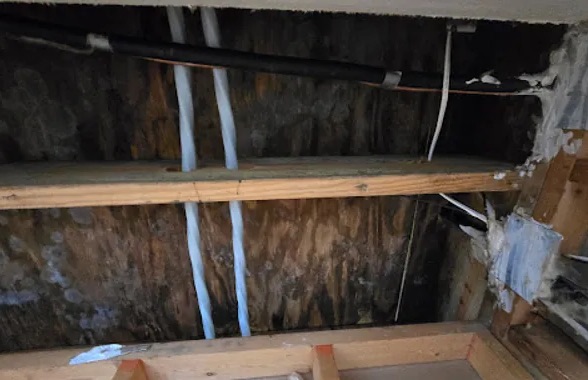
Water From a Roof Leak in South Salt Lake, Utah
A small roof leak can run for weeks inside an attic before anyone notices. When the stain finally shows, the decking, insulation and drywall may all be wet.
Roof leak water removal is available in South Salt Lake and nearby Centerfield, Millcreek and Sugar House. The pros tarp the opening if needed, extract the water and dry the attic framing and ceiling drywall.
What Roof Leak Water Removal Covers in South Salt Lake
Structural Drying Services
Drying a roof leak means drying wood, not just air. The pros track moisture in the sheathing and framing and adjust the setup until the numbers drop.
Attic Water Extraction
Water that pools on attic floors, vapor barriers or ceiling drywall is pulled out with wet vacuums and portable extractors before it soaks through to the room below.
Leak Source Identification
The pros follow the water trail from the stain up through the attic to the decking, flashing or vent where rain is getting in, and note it for the roofer.
Emergency Roof Tarping
When shingles are torn or a branch has punched a hole, the pros cover the opening with a weighted or battened tarp before they start drying the attic.
Ceiling Water Damage Cleanup
Stained or sagging drywall is checked with a moisture meter. Sections that are soft or bowed are cut out so the cavity above can dry and the ceiling can be patched.
Roof Leak Warning Signs in South Salt Lake
Sagging or Bulging Drywall
A ceiling that bulges or feels soft is holding water. It can give way, so keep people and pets out of the room.
Musty Smell After Rain
A damp, musty smell that gets stronger after storms often means insulation in the attic is staying wet.
Dark Spots on Attic Wood
Dark streaks or spots on rafters and roof decking show where water has been running or sitting for a while.
Peeling Paint on Upper Walls
Bubbling or peeling paint near the ceiling line on exterior walls points to water running down inside the wall.
How Roof Leak Water Removal Works in South Salt Lake
Step 1: Stop the Water
The opening in the roof is tarped and drips inside are caught, so no more rain reaches the attic while the cleanup starts.
Step 2: Attic Water Extraction
Standing water is pulled from the attic floor and from on top of the ceiling with wet vacuums and portable extractors.
Step 3: Remove Wet Insulation
Soaked insulation is bagged and taken out so the drywall and joists underneath are open to air.
Step 4: Structural Drying
Air movers and dehumidifiers dry the rafters, decking and ceiling, with readings taken each day until the wood is dry.
Causes of Ceiling Water Damage in South Salt Lake
Damaged or Missing Shingles
Wind, age and impact lift or tear shingles and leave the underlayment exposed, so rain soaks straight into the decking.
Clogged Gutters
Leaves and debris in gutters make water back up at the roof edge, where it seeps under shingles and into the soffit and walls.
Cracked Vent Boots
The rubber collars around plumbing vents dry out and split with age, letting rain drip down the pipe into the attic.
Aging Roofing Materials
As shingles age they curl, lose granules and crack, and slow leaks start where the roof covering has worn thin.
Home and Business Roof Leak Cleanup in South Salt Lake
Residential Roof Leak Water Removal
Persistent roof leaks can rot rafters and roof decking. The pros dry the framing and point out any wood that looks soft so the roofer can replace it.
Commercial Roof Leak Water Removal
In multi-tenant buildings, water from one roof leak can reach several floors. The pros trace it down through each level and dry every space it reached.
Roof Leak Cleanup: DIY or Professional in South Salt Lake
Stay out of an attic that has standing water or soft spots. Ceiling drywall between the joists will not hold your weight and can give way.
What Roof Leak Water Removal Costs in South Salt Lake
The cost of roof leak water removal in South Salt Lake depends on how much of the attic and ceiling got wet, how much insulation must come out and how many days drying takes.
Insulation Removal
Bagging and hauling soaked insulation takes labor, and the attic needs new insulation once the framing is dry.
Belongings in the Way
Moving and drying furniture, stored boxes and electronics under the leak adds time to the job.
Emergency Tarping
If the roof needs a tarp before drying can start, the materials and labor for that step add to the bill.
Does Insurance Cover Roof Leak Water Removal?
Many homeowner policies cover sudden roof leaks caused by a storm or falling tree, but not leaks from wear and age. Your insurer decides what is covered.
Why Roof Leaks Need Professional Drying in South Salt Lake
Safe Attic Work
The pros know how to move through an attic on the framing and handle wet ceilings without bringing them down.
One Job, Start to Finish
Tarping, extraction, insulation removal and drying happen in order, so each step is not left waiting on another company.
Notes for the Roofer
The entry point and the path the water took are documented so the roofer knows exactly where to look.
Around-the-Clock Roof Leak Water Removal in South Salt Lake
Roof leaks get worse with every hour of rain. Call (385) 438-8393 any time for tarping, attic extraction and drying in South Salt Lake.
Call Now (385) 438-8393Local Roof Leak Water Removal Coverage for South Salt Lake
Each place listed below has its own page with local details.
Questions About Roof Leak Water Removal
What tools help find a hidden roof leak?
Moisture meters, thermal cameras and a careful look at the attic decking help the pros spot wet areas that are not visible from below.
How soon should water removal start after a roof leak?
As soon as possible. Wet drywall and insulation can start to grow mold in 24 to 48 hours, and a ceiling holding water can sag and fall.
What happens after the water is removed?
Drying equipment runs and the pros take readings until the attic and ceiling are dry. Then the roofer and drywall repairs can go ahead.
Why does wet insulation have to come out?
Wet insulation stays damp for a long time, holds water against the ceiling and framing, and stops insulating. Removing it lets the attic dry.
What does emergency roof tarping involve?
A heavy tarp is laid over the damaged area and fastened down so rain stops coming in. It stays until a roofer makes the permanent repair.